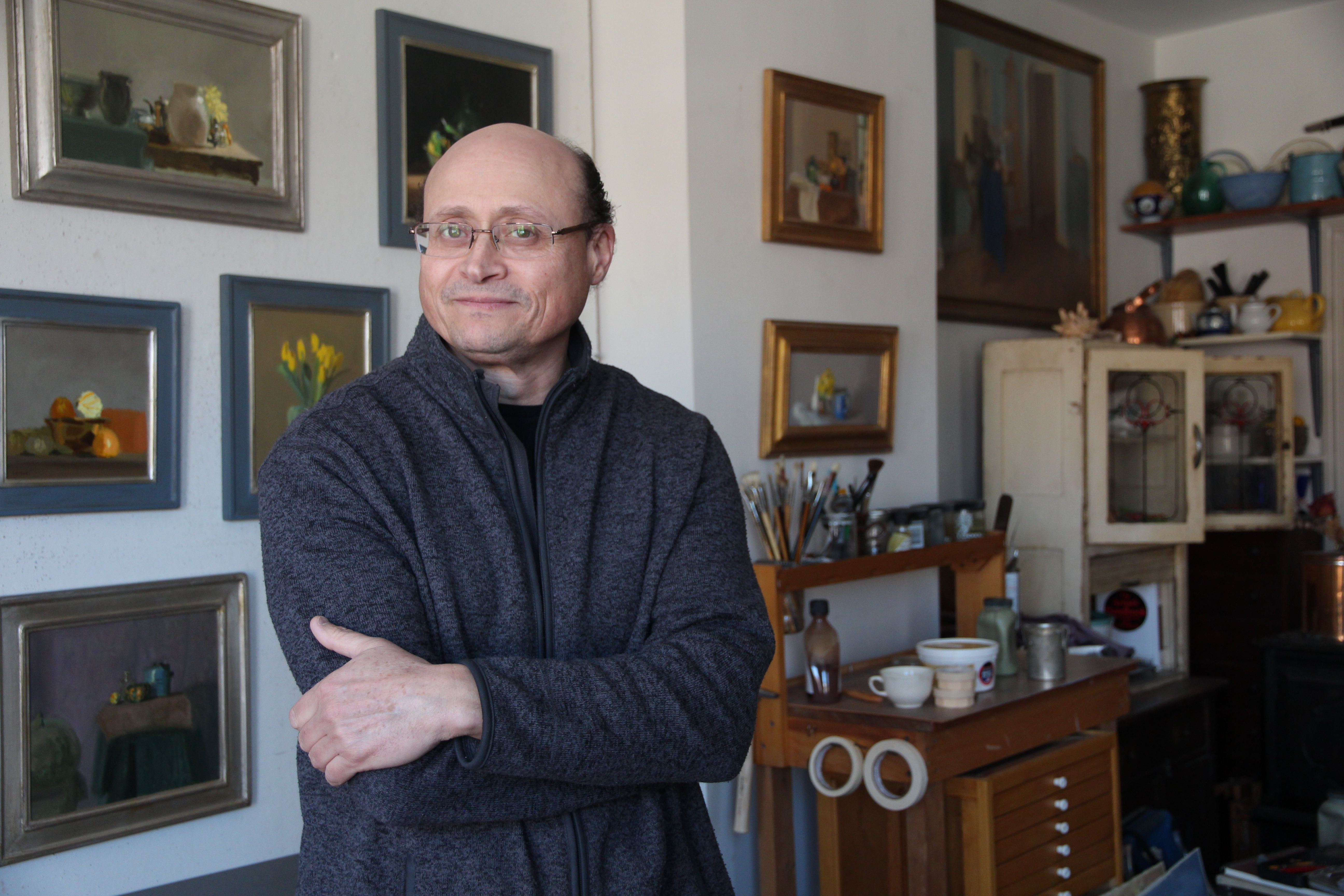
Portrait of Marcos Leon

“When my son is with me I feel good.”

Marcos Leon works in carpentry and construction.

46. IMG_0484a_LOW RES

Photo by Jennifer Baker

I’ve been here for ten years, since 1995. I met my wife in Costa Rica. She is American. I was 38 at the time, and was living with my mother, sister, and nephew. We married in Costa Rica. But then her grandmother died and she was sad and wanted to go back to the U.S. She was scared her mother would die too.

I didn’t know how hard it was here and how bad the police are with people from other countries. My neighbor would say “go back to Mexico” although I am really from Costa Rica. My son was born here. I hated my father because he left me and my mom so I try hard to be a better father. My mom’s grandfather had given us a big house and my father took the house and sold it and took the money and left. My mother was struggling alone. She paid rent and food and for everything.

I work doing carpentry and construction.

After we came to this country, my wife kicked me out and I started to drink. I was very depressed. She made me sign papers for divorce. I flattened the tire of her boyfriend’s car, so she called the police. And then they said I was resisting arrest. I was in jail four months. And she had a restraining order. On my son’s birthday, I went to her house and put a soccer ball up by my son’s window for him to see. Then I was in jail for another three months. I worry about my son and I want him with me, but I still get to see him every Friday.

My wife remarried after we were divorced only three months. Maybe when my son is 18, I will go back to Costa Rica. I was very close to my nephew; he was like my son. I took care of my mom before I left. But when I left Costa Rica with my wife I forgot about helping my mom. We went back two times to visit my family. My wife talked badly about my sister. My sister was alone and struggling.

When I came to this country, my first impression was that it was a scary place. I remember crying saying goodbye to my nephew. I have a green card, but now if I leave the US I can’t come back again.

I feel good alone – not with another person. I fight a lot. I feel like “don’t push me.” My son is the same. My son speaks English. I try to teach him Spanish.

When my son is with me I feel good.

Portraits of People on the Move tells the stories of Philadelphia-area immigrants through their own words on the Supperdance.com blog and was first shown as an exhibition June 25–28, 2015, at the Gray Area of Crane Arts in Philadelphia. The exhibition was created as a companion work to Supper, People on the Move by Cardell Dance Theater, a dance inspired by themes of migration.

Portrait of Paul Fierlinger

“Peter and I, the immigrant half-orphans were immediately inserted into a grim boarding school in Poděbrady castle to learn Czech and hopefully, forget our American English—and all that came with it.” 

48. paul copy

Photo by Sandra Schuette Fierlinger

Paul Fierlinger was born in 1936 in Ashiya, Japan; 79 years old, he is an independent animator for 58 years, has lived in the Philadelphia area since 1969. For the past 26 years he has been living and working with his co-artist wife and collaborator, Sandra Schuette Fierlinger, in Wynnewood, PA.

I immigrated three times. My first split came when I was three, at the outset of World War II. My family of Czechoslovak career diplomats had to leave Japan, where all three of us were born; Atya, a sister ten years my senior, eight years later followed by my brother, Peter, and a year later it was my turn, a second, uninvited surplus child. Our mother was a Jew; father a Catholic, both uninterested in such things. Raised by a Japanese nanny, my brother and I could speak only Japanese when our parents brought us to the US in 1939, but our attractive sister could speak the Queen’s literati English without ever having read more than a book or two in her whole life.

My parents, both polyglots, kept Atya in New York City whereas Peter and I were distributed into foster care across the Northeast; first into a large family of a Baptist minister-farmer in the wilderness of New Hampshire, later followed by a one year boarding school stint in tony Scarborough, New York, from where we were transferred to a childless couple hailing from Burlington, Vermont: a Mr. Rolland Doane and a true Yank from Maine, who was a serious Presbyterian professor of Latin and French, and his austere, very young student bride, Mrs. Caroline Doane who was an emigrant from Holland and was also a volunteer nurse, supporting the home front in the leafier sections of Burlington. Somewhere along these formative war years my love affair with America went surface-to-air.

In 1946 Peter and I were set to sea by the Doanes and picked off the ship by our mother in bombed out Le Havre, France. By now, my father’s brother, uncle Zdeněk Fierlinger, had won through a nefarious game of postwar politics the seat of prime minister of Czechoslovakia, the first elected communist prime minister in the young nation’s democratic history. Zdeněk kept our father in government throughout his life, and our mother shortly after died of cancer. Peter and I, the immigrant half-orphans were immediately inserted into a grim boarding school in Poděbrady castle to learn Czech and hopefully, forget our American English—and all that came with it. Out of pure and focused determination, Peter and I never did any of this well. We felt ourselves to be involuntary immigrants to a hostile land and my views of the place have never changed since.

I studied art from the age of fifteen to nineteen, when I matriculated from an out-of-the–way small ceramics school in Bechyně, Southern Bohemia. There, out of view of my peers and professors, I began my first experiments with homemade animation. Everyone’s first experiments in animation are successful but I instinctively grasped the entire concept this art form had to offer for life. Where today’s animation hopefuls envision a non-existent pipedream of glamorous teamwork, fame, fortune, and play, I presciently recognized a craft based purely on individualism and voluntary self-confinement, opened to endless possibilities of becoming distinctive without interference from the adult world or the need to anticipate uninvited support from the established order. There was a self-imposed requirement attached to such a grand vision: things would go better once I could return to my never forgotten America.

By deceit I got out of Czechoslovakia in September of 1967, still over a year before the Soviet occupational forces would invade their satellite. I arrived in New York City via Care International in October of 1968 and found my first animation job as a temp for Concept Films in Philadelphia, producing political ads for Hubert Humphrey and the Democratic Party.

Coming here I was socially a conservative with deep felt convictions in opposition of the radical left which I had already experienced enough of for a lifetime. I didn’t want to live in a country that had generously accepted me and then live and hold views in opposition of its ideals, thus I naturally became a Republican. After George W. Bush I switched to being a Democrat. I felt I had given back enough by now and won my right to choose more wisely and independently. I supported president Obama in the last two elections because he’s an intellectual and I felt that this country needs to have in the White House someone with intelligence and a propensity for making deliberative decisions.

Portraits of People on the Move tells the stories of Philadelphia-area immigrants through their own words on the Supperdance.com blog and was first shown as an exhibition June 25–28, 2015, at the Gray Area of Crane Arts in Philadelphia. The exhibition was created as a companion work to Supper, People on the Move by Cardell Dance Theater, a dance inspired by themes of migration.

Portrait of Kazuhiko Adachi

“I realized my English conversation and accent were poor. In fact, I asked for a map and I got a mop.” 

25. IMG_0314

Kazuhiko Adachi is a retired research professor of pediatrics at University of Pennsylvania, and currently a research faculty of the Division of Hematology, Children’s Hospital of Philadelphia.

In April of 1973, my boss—Dr. Asakura, professor at Penn Medical School—got a large grant to study sickle cell disease (SCD). Kennedy sent people to the moon; Nixon wanted to find a cure for cancer and other diseases. My boss wanted me to come to the University of Pennsylvania as a post doctoral fellow to study blood diseases since I was an assistant professor in Japan and studied blood of humans and animals. I accepted his invitation.

On my way here, when I arrived in Los Angeles, I couldn’t find my way around the airport for my connecting flight to Philadelphia. I realized American people could not understand my English, even though I had learned English for a long time. I finally found Japan Airlines so somebody could help me in Japanese. When I got to Philadelphia, my boss picked me up. I thought it would be more beautiful, but West Philly was very dirty. I had a small room at International House. I realized my English conversation and accent were poor. In fact, I asked for a map and I got a mop. There were many Japanese researchers at Penn as well as at International House, and no need to speak English to study there, so I didn’t have much chance to speak and learn English. These were disappointments when I came here.

After the first year my boss asked me to stay on to continue the SCD research project. I was promoted to an assistant professor at Penn Medical School. I accepted this offer since I could make a contribution to understand sickle cell disease and couldn’t continue these studies in Japan. I exchanged my temporary visa for an immigrant visa. I needed to have permanent residency to be able to apply for research grants on my own. After that, I quit my job in Japan and decided to stay. There was more focus on studying blood diseases here, and it was easier to get grants then. I got my own grants and continued this study for more than 40 years at Penn and Children’s Hospital of Philadelphia (CHOP). I contributed to the understanding of sickle cell disease and wrote many papers for this. Now I am retired from Penn even though I am continuing the research for cure as a research faculty at CHOP.

There is no longer much funding for sickle cell research. It may be political, where the research money is directed. There is more funding now for cancer, brain disease, and AIDS research. These diseases are now considered treatable. There is no cure yet for SCD, and much less money for SCD and the basic science of studying hematology—even though the understanding of SCD was advanced and a few drugs were found.

Most young researchers, doctors, and students who came here from Japan after the Second World War came for a short time to study or work and then went back to Japan. I have permanent residency but I did not become an American citizen. I wanted to stay a Japanese citizen since Japan does not allow dual citizenship. I may still go back. When I left my parents I thought it was for two years only. I had just gotten my PhD in Japan and my parents were pleased for me to go the States at first, but then when I decided to stay, my mother asked me to come back. Now she has given up, even though we have a custom that the eldest son is expected to take care of their parents. I am already 73 and still doing research at CHOP, and still feel like I can contribute to the cure of SCD. I am doing lectures and seminars at universities in both countries. But as I get older, if I need help, it might be better to go back and live in Japan even though we have good friends here. In Japan, there are more benefits for older people, health insurance and long-term care.

My mother is ninety-five and living by herself in Japan. My sister is married and helps her. I go home twice a year to check on my mother, and financially I help out. I still have a house there that my mother lives in. I have more relatives, my sister and her children and friends from school there, even though I have lived here for 40 years. Here I have younger friends I have not known as long. Cultural differences do affect how one connects as a human being.

The cultures of the two countries are quite different. I am not completely American here. When I go home, I do not feel completely Japanese. However, when I go to Japan, people try to get me to speak English so they can practice their English with me. I understand the two cultures and love them both.

My wife Miho, who studied watercolor at Pennsylvania Academy of the Fine Arts and graduated there, has also a similar feeling to both cultures—even though the gallery and research systems in Japan are completely different from the States. It is important for scientists and artists to be creative and respect beauty and nature, which have no nationality except for practical considerations. For Miho the gallery system in Japan is completely different. For me research has no country, fact is fact in any language. She is still doing volunteer work at a class at the Philadelphia Museum of Art to teach art for blind people. In addition, many young Japanese come to us for help.

We would like to continue these activities of arts and scientific research to contribute to the society of both countries, and through these activities make a bridge between two countries.

Photo by Jennifer Baker

Japanese translation by Kazuhiko Adachi

足立一彦のポートレート

“自分の英語が通じない:事実、地図(マップ)を頼んだのにモップを渡されました。

足立一彦:ペンシルバニア大学 医学部 研究教授 退任後フィラデルフィア小児病院血液学科主任研究員

1973年4月に私の以前のボスでペンシルバニ大学の浅倉教授が主に黒人の病気である鎌形赤血球症(sickle cell disease :SCD) の研究で大きなグラントを政府から獲得したことで私が日本で彼のもとで大学卒業研究をし、その後人間や動物の血液やその主成分であるヘモグロビンを研究していたこともあり、そのSCDの研究の援助に請われて2年間の契約でペンシルバニア大学医学部の彼の研究室にポストドクターとしてその基礎的な原因解明の研究に携る事になりました。因みに鎌形赤血球症の研究は当時ケネディ大統領が月に人送るという国家プロジェクトの後ニクソン大統領はそれに続いて癌研究とともに黒人対策の一環として国家プロジェクトとして多くの予算を投入したものです。

最初のアメリカへの渡航の際、その頃は日本からアメリカ東部への直行便はなくハワイを経由してロスアンジェルスで飛行機を乗り換えなければならず飛行場での通関は無事終わったものの国際線から国内線に移らねばならず離れた国内便の塔に行く方法をアメリカ人に自分の英語で尋ねたものの英語が通じず、こまり果てて日航のカウンターに戻り日本人の係りの人に日本語で教えてもらいました。フィラデルフィア空港に着いた際はボスである浅倉教授が迎えにきてくれていたので無事宿舎である大学近くのインターナショナルハウスに着くことが出来ました。空港から大学までのウエストフィラデルフィアの街並みはあまり綺麗ではなく予想していたアメリカとはだいぶ違う印象を受けました。また最初の宿舎のインタナショナルハウスも見かけは大きく入る前は素晴らしい建物と思ったものの中で与へられた部屋は狭く随分と窮屈な部屋という印象を受けました。次の日に大学の周りの雑貨屋で大学の周りの地図を手に入れようと思いマップが欲しいと言ったところがモップを持ってきてくれて英語で説明するのに往生しました。事実日本では中学から大学も含めてかなり長い間英語教育を受けていたにも関わらず空港の経験でも自分の英語が通じない現実にがっかりしました。しかしインターナショナルハウスには学生も含めて多くの日本人が滞在しまた大学の研究所には多くの日本人研究者がいてボスも日本人であることから英語ができなくても不自由なく研究や生活ができましたが英語の上達は出来ませんでした。

ペンシルバニア大学でのSCDの原因究明の研究もかなり捗り一年後ペンシルバニア大学医学部のアシスタントプロフェッサーになりNIHのグラントももらえるようになりさらにこの研究を続けてSCDの解明と病気の治療に貢献しようという気持ちになり日本の大学職員を退職してペンシルバニア大学医学部に在籍する事になりました。従ってJビザをイミグラントビザに切り替える必要がありましたが大学の援助もあり弁護士を雇わず自分で書き換えの手続きを行い比較的簡単にイミグラントビザをもらえました。SCDの原因究明の研究でNIHから自分のグラントも貰えるようになり独立した自分の研究室を持ち、また准教授、教授に昇進し多くの研究室の助手、学生の方などの援助も受けて研究費の獲得と研究一筋の生活を続けてきました。現在ペンシルバニア大学退官後もフィラデルフィア小児病院の研究棟で主任研究員としてSCDの病気の治療薬の発見の研究を続けています。

現在SCDの研究、治療に関する研究費のグラントの獲得はとても厳しい状況にあり特にオバマ大統領の後特別な黒人対策という観点がなくなりまた現在NIHの研究費は癌、脳、エイズ等の研究に圧されるとともに全体的な研究予算が削られとても厳しい状況にあります。事実SCDは最初の遺伝子病として原因は解明されたものの依然として完治できない病気であり適切な薬もまだ未解決な状態ですが少しでも我々の研究がSCDの治療に役に立てれば良いと思っています。

第二次大戦後日本から多くの学生、医学者、研究生が渡米し何年かアメリカに滞在して我々の友人も含めて殆どの方が日本に帰国してその経験を基にして日本で活躍をしています。自分自身も日本で学位を取り、母にも2年間の留学をしたのち帰国するという約束でアメリカに出てきたもののこちらで永住権をとり既に40年以上も滞在することになってしましました。母も長男である僕の帰りを待ちわびていたものの現在は僕の帰国は諦めているようです。僕自身アメリカ国籍を取ることを勧められることもありますが日本は他の多くの国と違って二重国籍は認められないので依然として日本国籍のままの状態です。私は現在76歳(2018年)になりますがSCDの研究を続けられる環境にある間は研究を続け日本とアメリカの医療機関、大学でセミナーをしたりしてアカデミアでの研究を続けていくつもりです。

母も97歳になり日本で健在ですが数年前までは一人で横浜の実家で生活しており僕自身、年に数回は実家に帰り彼女の身の回りを助けていたものの現在は妹夫婦が実家に移り彼らの援助を受けて実家で生活をしています。僕自身幸いにして現在母の介護のために日本に帰る必要は無くなりましたが歳を取るにともなって研究も難しくなり、体の故障などで人の手を借りるようになった際は日本の高齢者に対する介護援助、医療補助などを考えるとたとえアメリカで周りに友達がいたとしても妹など家族がいる日本に帰って老後の生活をした方が良いかなと考えたりするこの頃です。我々夫婦はアメリカに長年住み二つの祖国を持ち異なった文化のなかで生活して日本に帰国した際は完全な日本人にはなりきれず、アメリカ人とみられ英語で話しかけられることもありますがどちらの国に住むとしても両方の国の文化を理解し、その違いを認識した上でそれぞれの良いところを好んで生かしていきたいと思います。

僕の妻、美穂は初めから芸術家ではありませんでしたがフィラデルフィアで留学の途中でペンシルバニア アカデミーファインアート スクールにて水彩画を習いそこを卒業して水彩画家として画業に専念しています。日本とアメリカで色々なギャラリーで個展、グループ展を開いたりしていますが日本とアメリカでのギャラリーの絵の取り扱い、個展開催のしきたりの違いに驚くとともに日本での画家や、作品の取り扱いに戸惑うことが多く両国の文化の違いを認識させられます。科学及び芸術の成果そのものには国境や言葉、文化の違いで判断されることはないようですが画家や研究者の成果や認識にはそれらが多く影響を受けるようです。また彼女は画業の傍らボランティアでミュージアム主催の盲人の為のフォーム イン アートというクラスで盲人の生徒の彫刻や創造物の作成を助けています。科学や芸術は人々に多くの生きる力、安らぎや利便を社会や国々に与えてくれます。それらを目指す若い芸術家や科学者が生まれた国で活動するだけでなく違う国に出かけてみてその文化を肌で知ることで自分の仕事の発展とともにお互いの人々の理解を通じて育った国の文化への理解が深まると思います。我々の残りの人生が日米の若い人々にそのような機会を持てるように援助し芸術、科学を通じて両国の架け橋になるような活動に少しでも関われれば良いと思っています。

Portraits of People on the Move tells the stories of Philadelphia-area immigrants through their own words on the Supperdance.com blog and was first shown as an exhibition June 25–28, 2015, at the Gray Area of Crane Arts in Philadelphia. The exhibition was created as a companion work to Supper, People on the Move by Cardell Dance Theater, a dance inspired by themes of migration.

Portrait of Reverend Adan Mairena

“My great-grandmother was a small Indian woman and she had this one child who looked like the owner of the estate, so they had to pick up and move to the city.”

Reverend Adan Mairena is the pastor at West Kensington Ministry, in Norris Square, Philadelphia.
Mairena testifying at the House of Representatives in Washington, D.C., January, 2015.

Mairena testifying at the House of Representatives in Washington, D.C., January, 2015.

I consider myself more like a second-generation immigrant as I was born in Honduras, but after my parents had come to the US. I only lived there my first year. I was born in Honduras because my mother went back to take care of immigration business. My mother stayed there with me for about a year. My two older sisters were born here.

My parents came to the US in the 1960s. My father came first. He came here as a political refugee, but was not labeled as such. He was born in a town of silver mines, San Juancito, outside the capital. The whole town worked in the mines. My grandmother sold food to the miners, and was then able to move to the city and they became middle class people. The poorer people lived in the mountains; that is where my mother came from. My father and his friends became educated and he became a teacher.

At that time Honduras was quiet compared to neighboring Central American countries, the military was in charge, and of all countries Honduras had the most US military presence. There was political unrest, however, and my father and his friends were criticizing the government and his friends were turning up dead. My grandmother had started some bars and restaurants and someone came in one day and said your son is next. So she bought him a plane ticket and he went to New Orleans where he had some cousins already there. He worked as a waiter, in construction, hard labor jobs. Mom was still in Honduras and he brought her to New Orleans. If you came to certain areas, you didn’t have to learn English, and she said, “If we don’t leave we will be like this forever and never learn English.“ So they left New Orleans to be on their own and to become more acculturated.

My grandmother had white skin and blue eyes. She was born while they lived on an estate owned by Germans. My great-grandmother was a small Indian woman and she had this one child who looked like the owner of the estate, so they had to pick up and move to the city. The landowner couldn’t have his illegitimate daughter—my grandmother—running around the estate. Once in the city, and after my grandmother was in her teens, she married an older man, a carpenter, and he took care of the family. I must look more like my great grandmother more than my grandmother. I am very in tune with how I look and where I came from.

My mother’s side—that describes the history of millions of Mestizos. Mestizos are a byproduct of rape and exploitation, and that is an important part of my identity, my point of historical reference. That is what gives me a sense of intentionally confronting injustice.
At West Kensington Ministry, on behalf of Sanctuary for Angela.

At West Kensington Ministry, on behalf of Sanctuary for Angela.

The town where my father was born had the first Pepsi plant in Central America. The natural resources were exploited till they were gone; now, it is almost a ghost town. My father was a public school teacher in Honduras, and he was a Roman Catholic. But when he came here, the Pentecostals embraced him as an immigrant. They all hang out together and ate together, and did everything together. He became a Pentecostal, but he wanted to go to seminary and they did not support that. So he went to a Presbyterian seminary, did an internship in Chicago, and then we moved to South Texas in order for him to work at a church there. South Texas was an agriculturally based economy and my father worked with farm workers and sometimes brought people home to stay for weeks at a time. My aunt came from Honduras with her daughter and my dad drove to the border and picked her up—he smuggled them in, and other people too. So I always had a sense of knowing that I am an immigrant.

My mom says she doesn’t need to return to Honduras. We’ve visited on average about every twelve years. There is no internet so phone is the best way to keep in touch. My grandmother would come here to visit when I was a lot younger. My parents had become Protestants, from a family that was all Roman Catholic, so that was a big cultural difference. My mother also went to seminary. She worked at a bank for many years and then went to seminary and also became a Presbyterian minister. Now she is a hospital Chaplain in Texas.

I became a citizen at age fourteen, before that I had a green card. My parents left that decision up to me. My sisters were born here so they were citizens from birth, and my parents became citizens too. It was definitely easier then (before 9/11) than it is now.

I am bi-cultural. I don’t feel pulled by different cultures, this is its own culture. In Honduras they say “you don’t speak Spanish like us,” and here they say “you are from there when are you going back,” even though I have spent my whole life here.

Jesus was an immigrant, from the divine world to this earth. The history of the world is the history of a people on the move . . .

Spanish translation by Amalfi Ramirez Finnerty


Reverendo Adan Mairena

Pastor en el Ministerio de West Kensington, Norris Square

Me considero más como un inmigrante de segunda generación porque nací en Honduras, pero después de que mis padres vinieron a los Estados Unidos. Solo viví allí mi primer año. Nací en Honduras porque mi madre regresó para ocuparse de los asuntos de inmigración. Mi madre estuvo allí conmigo por un año. Mis dos hermanas mayores nacieron aquí.

Mis padres vinieron a los Estados Unidos en la década de 1960. Mi padre vino primero. Vino aquí como refugiado político, pero no fue etiquetado como tal. Nació en un pueblo con minas de plata, San Juancito, en las afueras de la capital. Todos en la ciudad trabajaban en las minas. Mi abuela vendió comida a los mineros, y luego pudo mudarse a la ciudad y se convirtieron en personas de clase media. La gente más pobre vivía en las montañas; de ahí es de donde vino mi madre. Mi padre y sus amigos se educaron y el se convirtió en maestro.

En ese momento, Honduras estaba tranquila en comparación con los países vecinos de Centroamérica, los militares estaban a cargo y, de todos los países, Honduras tenía la mayor presencia militar de los EE. UU. Hubo disturbios políticos, sin embargo, y mi padre y sus amigos estaban criticando al gobierno y sus amigos estaban apareciendo muertos. Mi abuela había comenzado algunos bares y restaurantes y alguien llegó un día y dijo que su hijo es el siguiente. Entonces ella le compró un boleto de avión y se fue a Nueva Orleans donde ya tenía algunos primos allí. Trabajó como camarero, en trabajos de construcción, trabajos forzados. Mamá todavía estaba en Honduras y él la trajo a Nueva Orleans. Si llegabas a ciertas áreas, no tenías que aprender inglés, y ella decía “si no nos vamos, seremos así para siempre y nunca aprenderemos inglés”. Así que dejaron Nueva Orleans para estar solos y para llegar a ser más aculturado.

Mi abuela tenía piel blanca y ojos azules. Ella nació mientras vivían en una propiedad de alemanes. Mi bisabuela era una india pequeña y tenía un hijo que se parecía al dueño de la finca, por lo que tuvieron que recoger y mudarse a la ciudad. El dueño no podía tener a su hija ilegítima (mi abuela) corriendo por la finca. Una vez en la ciudad y después de que mi abuela era adolescente, se casó con un hombre mayor, un carpintero, y el se hizo cargo de la familia. Debo parecerme más a mi bisabuela que a mi abuela. Estoy muy a tono con mi aspecto y de dónde vengo.

El lado de mi madre: eso describe la historia de millones de mestizos. Los mestizos son un subproducto de la violación y la explotación, y esa es una parte importante de mi identidad, mi punto de referencia histórica. Eso es lo que me da la sensación de confrontar intencionalmente la injusticia.

La ciudad donde nació mi padre tenía la primera planta de Pepsi en América Central. Los recursos naturales fueron explotados hasta que se fueron; ahora es casi un pueblo fantasma. Mi padre era maestro de escuela pública en Honduras y era católico. Pero cuando vino aquí, los pentecostales lo abrazaron como inmigrante. Todos pasanban el tiempo juntos y comian juntos, e hicieron todo juntos. Se convirtió en pentecostal, pero quería ir al seminario y no lo apoyaban. Así que fue a un seminario presbiteriano, realizó una pasantía en Chicago, y luego nos mudamos al sur de Texas para que él trabajara en una iglesia allí. El sur de Texas era una economía basada en la agricultura y mi padre trabajaba con los trabajadores agrícolas y, a veces traía a las personas a nuestra casa y se quedaban durante semanas a la vez. Mi tía vino de Honduras con su hija y mi padre condujo hasta la frontera y la recogió, los trajo de contrabando y también a otras personas. Así que siempre tuve la sensación de saber que soy un inmigrante.

Mi madre dice que no necesita regresar a Honduras. Hemos visitado en promedio cada 12 años. No hay internet, por lo que el teléfono es la mejor manera de mantenerse en contacto. Mi abuela venía de visita cuando era mucho más joven. Mis padres se habían convertido en protestantes, de una familia que era completamente católica, así que eso fue una gran diferencia cultural. Mi madre también fue al seminario. Trabajó en un banco por muchos años y luego fue al seminario y también se convirtió en ministra presbiteriana. Ahora ella es una capellán de hospital en Texas.

Me hice ciudadano a los 14 años, antes tenía una tarjeta verde. Mis padres me dejaron esa decisión. Mis hermanas nacieron aquí, así que eran ciudadanas desde el nacimiento, y mis padres también se hicieron ciudadanos. Definitivamente fue más fácil entonces (antes del 11 de septiembre) de lo que es ahora.

Soy bicultural. No me siento atraído por las diferentes culturas, esta es su propia cultura. En Honduras dicen “no hablas español como nosotros”, y aquí dicen “eres de allí cuando vas a volver”, a pesar de que he pasado toda mi vida aquí.

Jesús fue un inmigrante, del mundo divino a esta tierra. La historia del mundo es la historia de un pueblo en movimiento …

Portraits of People on the Move tells the stories of Philadelphia-area immigrants through their own words on the Supperdance.com blog and was first shown as an exhibition June 25–28, 2015, at the Gray Area of Crane Arts in Philadelphia. The exhibition was created as a companion work to Supper, People on the Move by Cardell Dance Theater, a dance inspired by themes of migration.
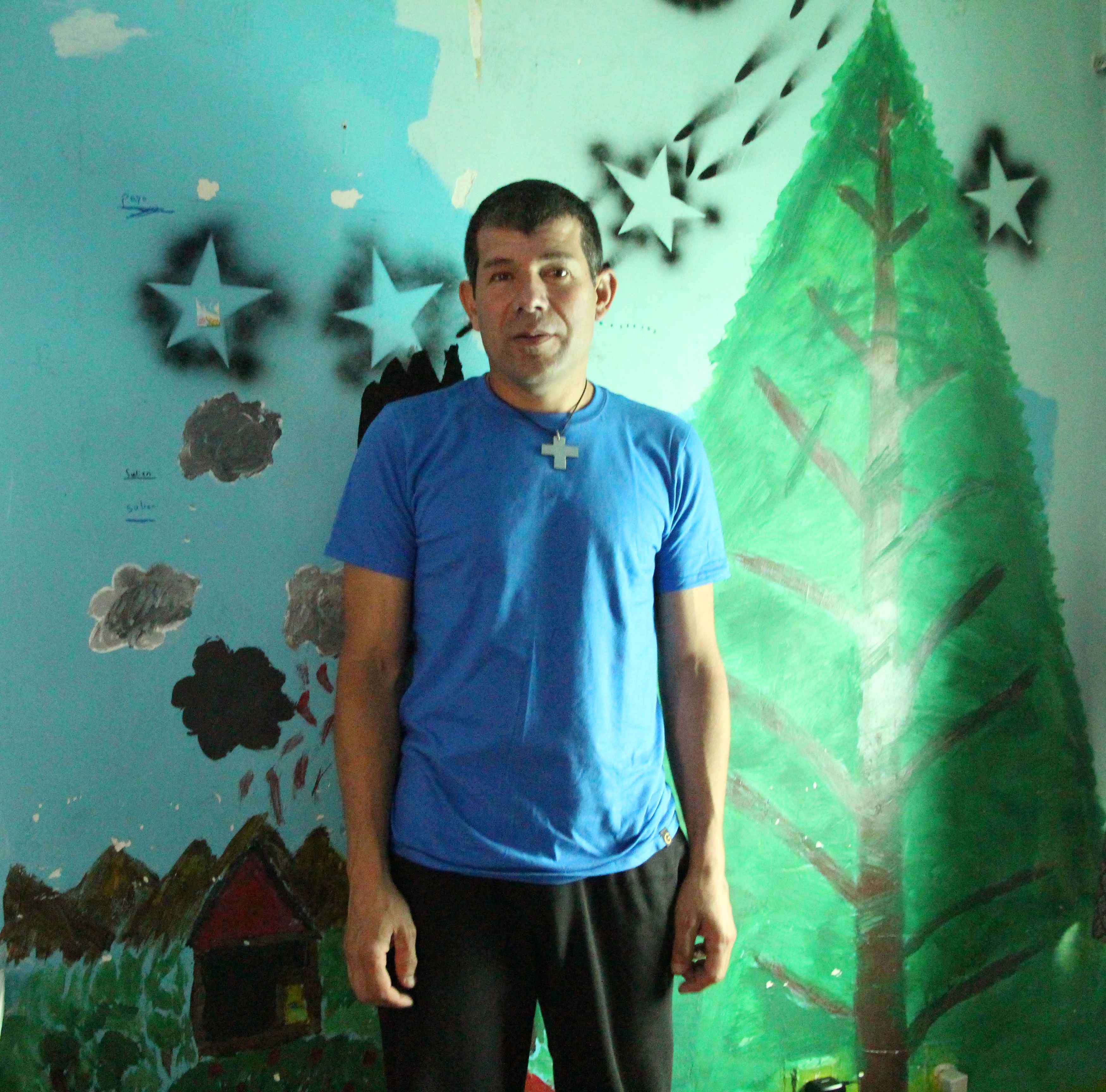
Portrait of Saboohi Khan

“I’ve been here forty years. I think this is my country now.”

14. and .16 IMG_0172

Photo: Saboohi Khan with her daughter Fariha Khan, who talks about her own experiences in another post. Photo by Jennifer Baker

My husband decided to come here from Pakistan in 1972. He was a pharmacist. We were already married and Fariha was two and a half. I had to follow him. I was confused and didn’t know where I was going to or what kind of people I would meet. I was twenty-one years old. We went to New York for one year, and then to Baltimore. He didn’t like pharmacist job, so he got a job with the pharmaceutical company Parke-Davis in Philadelphia and we bought a house in Media.

When we first came here, we came on Air France; it was a long flight, twenty-four hours. I saw people kissing in Frankford, Germany. They were saying goodbye to each other in the airport and kissing in public. It was the first time I had ever seen such a thing.

December 17, 1979, my husband passed away in a car accident. I decided to go back to Pakistan. He died in December and I moved in February. But I couldn’t stay there. Fariha was nine and her sister three. It was a hard time for her in school. She was a good student. But her teacher said she is American, she doesn’t speak right, and complained about her behavior. After three or four months, I came back again.

When I returned, I got social security. I stayed with a friend and rented an apartment. Good friends helped me to stand on my own feet, even taught me to drive. Fariha went to the same school and had the same friends. We became citizens a few years later.

Every summer we went to Pakistan. My sister is still there. After Fariha started college, it became harder to visit. Fariah’s friend often came with us in the summers. Eventually her friend and my younger brother decided to marry. They’ve been married 20 years, and she became Muslim. My parents came here for Fariha’s graduation from high school, college, and graduate school, and also, as it turned out, for her wedding.

Fariha met her husband in college, behind my back. I found out later. I was completely against it so she talked to her grandfather about it to convince me. My brother had lived in Canada since the 1960s. He wanted to meet the boy. They talked about soccer. He said to me, “Do you want your daughter to be happy?” Now, if anyone asks me which man to trust, I say my son-in-law. She was the first one in my community to marry a white person.

We planned the wedding while my parents were here. I ordered her outfit from Pakistan and it came on time. I rented a big hall and it worked out perfectly—the flowers, the catering. I believe God was with me and helped me.

When I first left, everyone was sad. There was no celebration. It was seven years before I went back again. It was hard to talk on the phone, hard to keep in touch. I’ve been here forty years. I think this is my country now. Some things I don’t like, like people living together before marriage. I was a very strict mother. No slumber parties, no dating. We do not sleep at other’s houses. I was a single mother. My girls didn’t argue.

My two daughters and their husbands came to dinner at my house every day for five years. We would tell about what we had done that day. This is how families stay close and people really get to know each other. After Fariha’s children were born, I moved in with them to help out and be closer to my grandchildren.

Portraits of People on the Move tells the stories of Philadelphia-area immigrants through their own words on the Supperdance.com blog and was first shown as an exhibition June 25–28, 2015, at the Gray Area of Crane Arts in Philadelphia. The exhibition was created as a companion work to Supper, People on the Move by Cardell Dance Theater, a dance inspired by themes of migration.
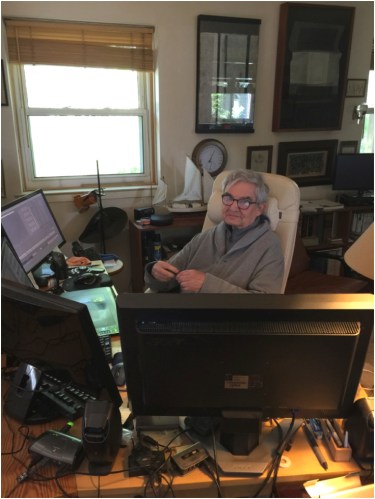
Portrait of Valerio D’Ospina

“It was never my plan to end up in the United States.”

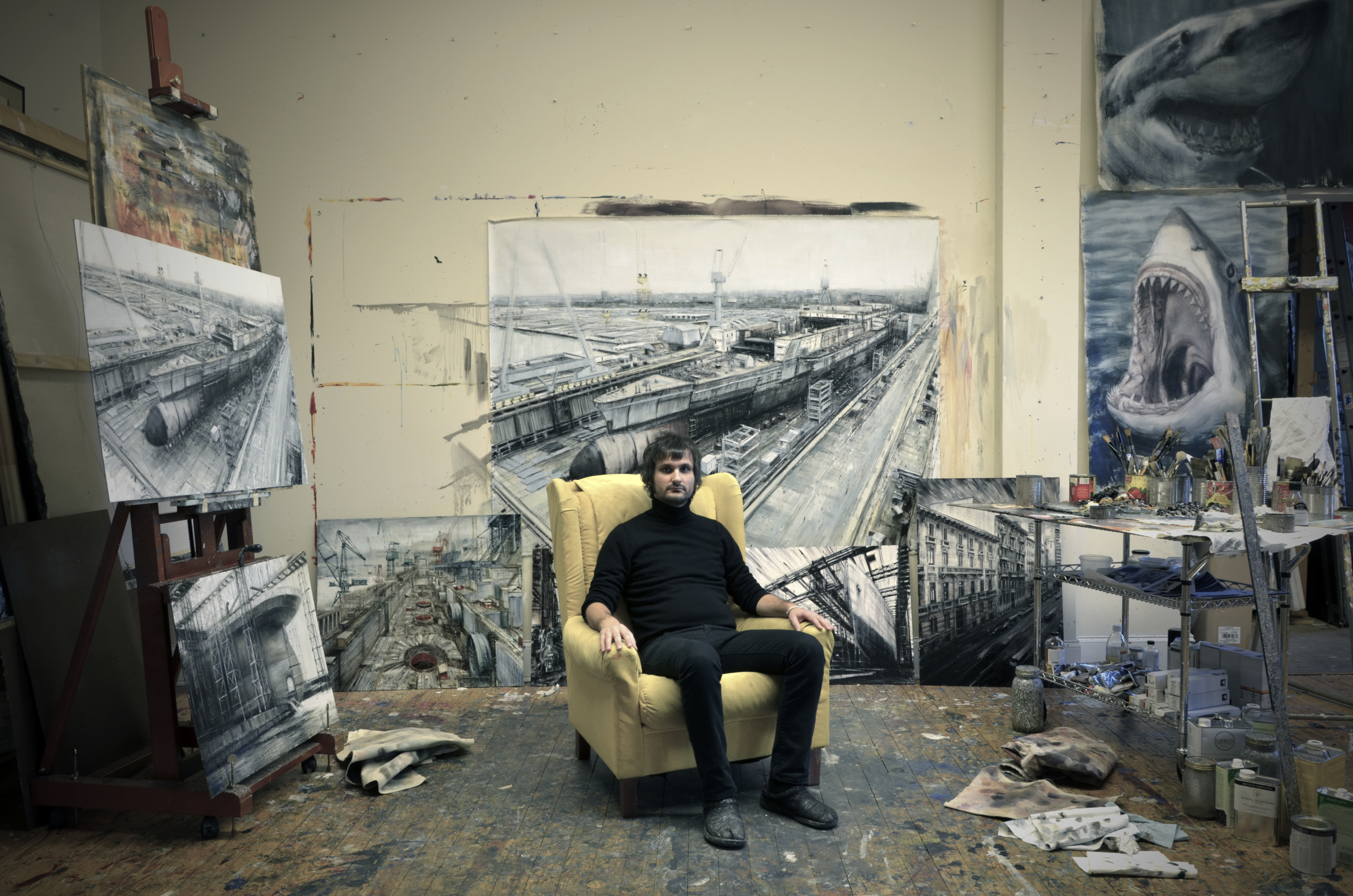
Valerio D’Ospina is a visual artist. 

38. HR In the studioIt was never my plan to end up in the United States. This was one place in the world I never seemed to be interested in. When you grow up in another country, America is this great big ideal that seems almost too good to be true. I remember people talking about the American dream, and obviously the influence American culture has on the rest of the world, especially the entertainment industry, is momentous, but all the same, I never thought it was for me. As an Italian, I was fortunate to grow up in a beautiful sea-side town in Taranto with scenery that could shame the Caribbean and food most people can only dream of—especially the seafood. I received a solid education and attended an artistic high school that built the foundation and desire for my relocation to Florence to further my artistic studies. I received a BA and a MFA from the Accademia di Belle Arti in Florence, and am also fortunate to have no student debt to repay. This is another enormous advantage of being European. However, throughout the length of my studies, I met an American girl that altered the course of my life, and I soon began to think of the United States in a way I never had before.

Initially, I moved to be with the woman I love. It was not an easy decision, but it was the one that made the most sense. As an artist, I can work anywhere. She, like many Americans, had student loans that needed to be paid and consequently, it is much easier for young professionals to find stable work in the United States than it is in Italy. We moved from Florence to her hometown, a small town near Pittsburgh, Pennsylvania. It was a place where I had lived briefly before, while teaching a summer course at the local university, but I never imagined I would live there for five years. The day I took that departing flight from Florence, I knew I was moving, but I hadn’t really admitted to myself that it was permanent. To tell you the truth, I am still not sure it’s permanent. We think often about one day moving back to Italy. I was only legally allowed to remain in the United States at that time for three months, so I had a return ticket to show at immigration control, even though I had little intention of using it. I married that American girl, and after five years in that small town, where I also continued to teach drawing and painting, we moved to Philadelphia. At this point, the lengthy process of immigration attorneys and green card interviews was thankfully behind us.

I miss Italy every day. The food has been something that has been very difficult to get used to, along with many other small cultural nuances, but I also realize that my life as an artist would have never taken off the way that it has if I was still living in Italy, considering how poor the economy became after I moved. I am fortunate to have been influenced by two great societies and am constantly taking the best attributes from each culture and applying them to my life. I truly believe that moving to the United States, despite its difficulties, was ultimately the best thing for my wife and I professionally. We have made a good life for ourselves here and both continue to grow in our respective careers. In this aspect, it was absolutely worth it.

I laugh to myself sometimes that I moved from Taranto, Italy, to its only twin city in the world, Philadelphia. Taranto is a very industrial looking city with a large steel factory and one of the largest naval bases in Europe. If you take away the fact that it is also the coast of one of the most magnificent seas in the world, it looks very much like Philadelphia. My art has always been very industrially driven and I paint shipyards and navy fields frequently. I spend a lot of time here at the navy yard in Philadelphia, and in some strange way, I feel a sense of comfort and proximity to my childhood home when surrounded by all of those majestically large ships.

People ask me all the time where I would rather live, and it is a bit of a dichotomy in that when I am in the US, I am often full of nostalgia for my home in Italy; but every time we spend a significant amount of time in Italy, I can’t wait to return to my home in America.  I am lucky to have family and homes in both countries, but my wife and I both have built successful careers in Philadelphia, so it looks like that is where we will be staying. For now at least.

Portraits of People on the Move tells the stories of Philadelphia-area immigrants through their own words on the Supperdance.com blog and was first shown as an exhibition June 25–28, 2015, at the Gray Area of Crane Arts in Philadelphia. The exhibition was created as a companion work to Supper, People on the Move by Cardell Dance Theater, a dance inspired by themes of migration.
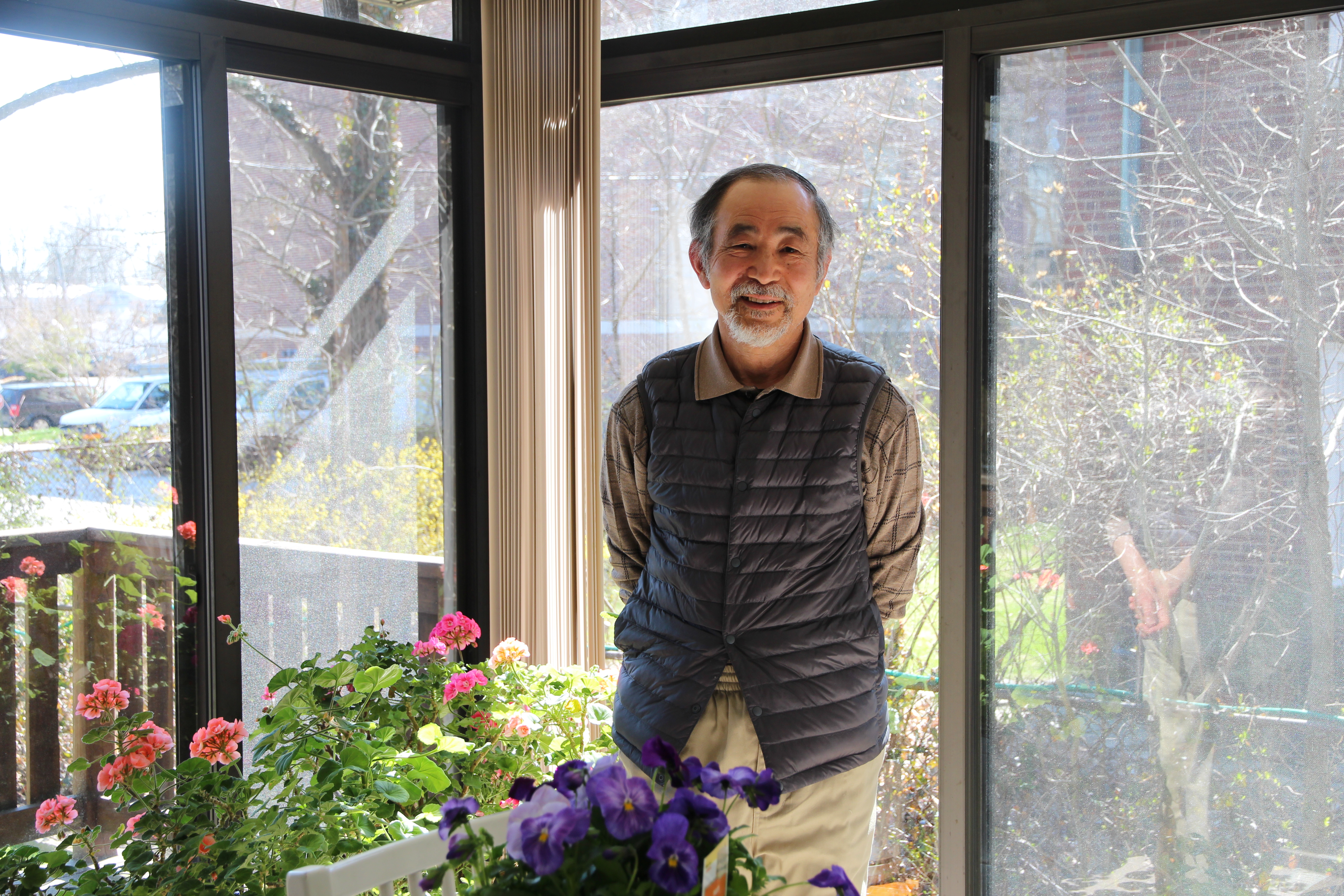
Portrait of Meryem Jariri

“I like to cook Moroccan food, couscous, lots of vegetables, with meat or chicken, but my kids like American food.”

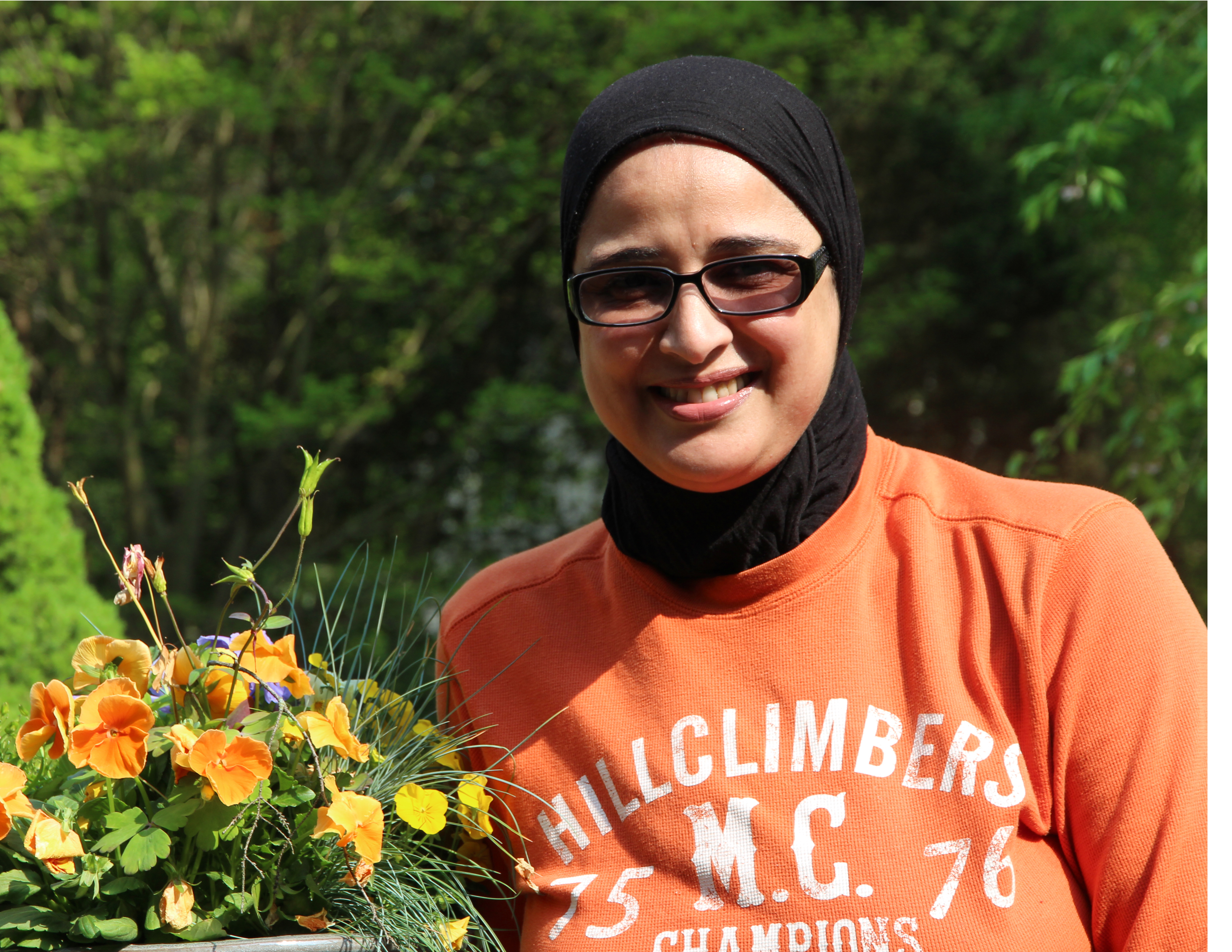
Meryem Jariri is a nursing assistant.

15. IMG_0471aI left Morocco on April 22nd, 2000. I was married September 9th 1999. There was an immigration lottery program called a “Diversity Visa” and we applied and were selected. You have to have a high school diploma and a job to apply. Once we were here we could get green cards. My husband’s brother already lived in Maryland. We lived with them at first, but Maryland was expensive. We had many friends in Philadelphia, so we came here.

We worked so hard. I worked at Goodwill, and then I went to school to become a nursing assistant. We don’t feel like immigrants, there are lots of Moroccan people we know who live nearby. In 2004 I became a citizen.

In 2002, I had my first baby. We were so happy. My husband and I had to work and my mother-in-law came to help take care of the baby, so we would not have strangers looking after him, or have to pay for childcare. My mom came here in 2005 to help with my second baby for six months. For the third baby, they both came. In 2013 we applied for my mom to get a green card, so that she could come and stay any time. I have two sisters and a brother still in Morocco. We go to visit every three or four years.

I grew up speaking Arabic, French, and English. When we came to the U.S. I watched cable TV with captions and wrote down words or sentences that I wasn’t sure about. I watched movies and TV with a notebook and pencil to improve my English. I always tell people to do this. I feel bad for kids who grow up speaking only one language. My husband and I speak Arabic at home. My kids understand Arabic, but they reply in English. As soon as they started school they started speaking English all the time. I like to cook Moroccan food, couscous, lots of vegetables, with meat or chicken, but my kids like American food.

We are Moroccan and Muslim. Children should live with their parents, not with roommates. At night, children should be at home, not sleeping over at friend’s houses—where they might learn bad things. In Morocco, people live with their parents, the family is all together.

The day I left I was excited to come. I left my mother and everybody, but we were so happy. Then I see how hard life is here. I went back one year later to visit. This time I cried to leave again. Life here is very stressful. I never worked before I left home. Morocco is a very beautiful country. I could never go back though. Life, routines, are very different, and I am used to this routine.

When we left, my husband’s family and my family had a big party. We had a big dinner with Moroccan food—chicken marinated with cilantro, garlic, ginger, olive oil, lemon juice, and lots of onion. We had cake, fruits, soda, and Moroccan bread. Everyone wished us good luck. My sister gave a gift for memory. She gave me a necklace that I always wear. My uncle gave me a keychain that I use every day. My mom gave me American money. My brother-in-law in Maryland said don’t bring anything, but it turned out everything was so expensive here, so that wasn’t the best advice.

People in Morocco enjoy life more in the moment. People work 8:00 to noon and 2:00 to 6:00, the European system. Everyone goes home for lunch from work and school. It cuts down on stress. And families live all together, which makes life easier, with more people to contribute to a houshold.

Life here is really hard. College, clothes, everything is so expensive. When I lived in Morocco, everything is cash, no loans. Now we have house loan, car loan, etc. Now Morocco is more like the US in that respect. People always want more. But what is important, our family is all together—we have love.

Photo by Jennifer Baker

Portraits of People on the Move tells the stories of Philadelphia-area immigrants through their own words on the Supperdance.com blog and was first shown as an exhibition in June 2015, at the Gray Area of Crane Arts in Philadelphia. The exhibition was created as a companion work to Supper, People on the Move by Cardell Dance Theater, a dance inspired by themes of migration.

Portrait of Paula Meninato

“I never fully integrated into American society, I feel like this is temporary, but I feel like that everywhere.”

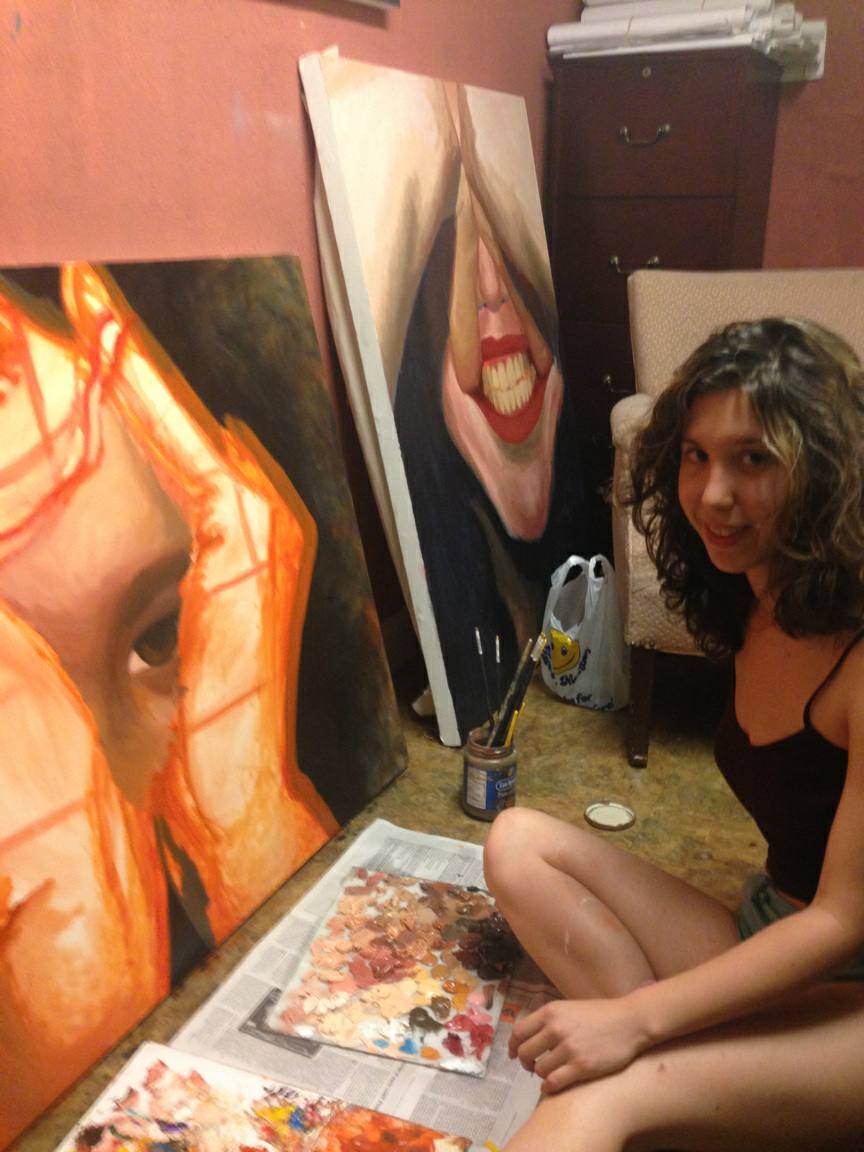
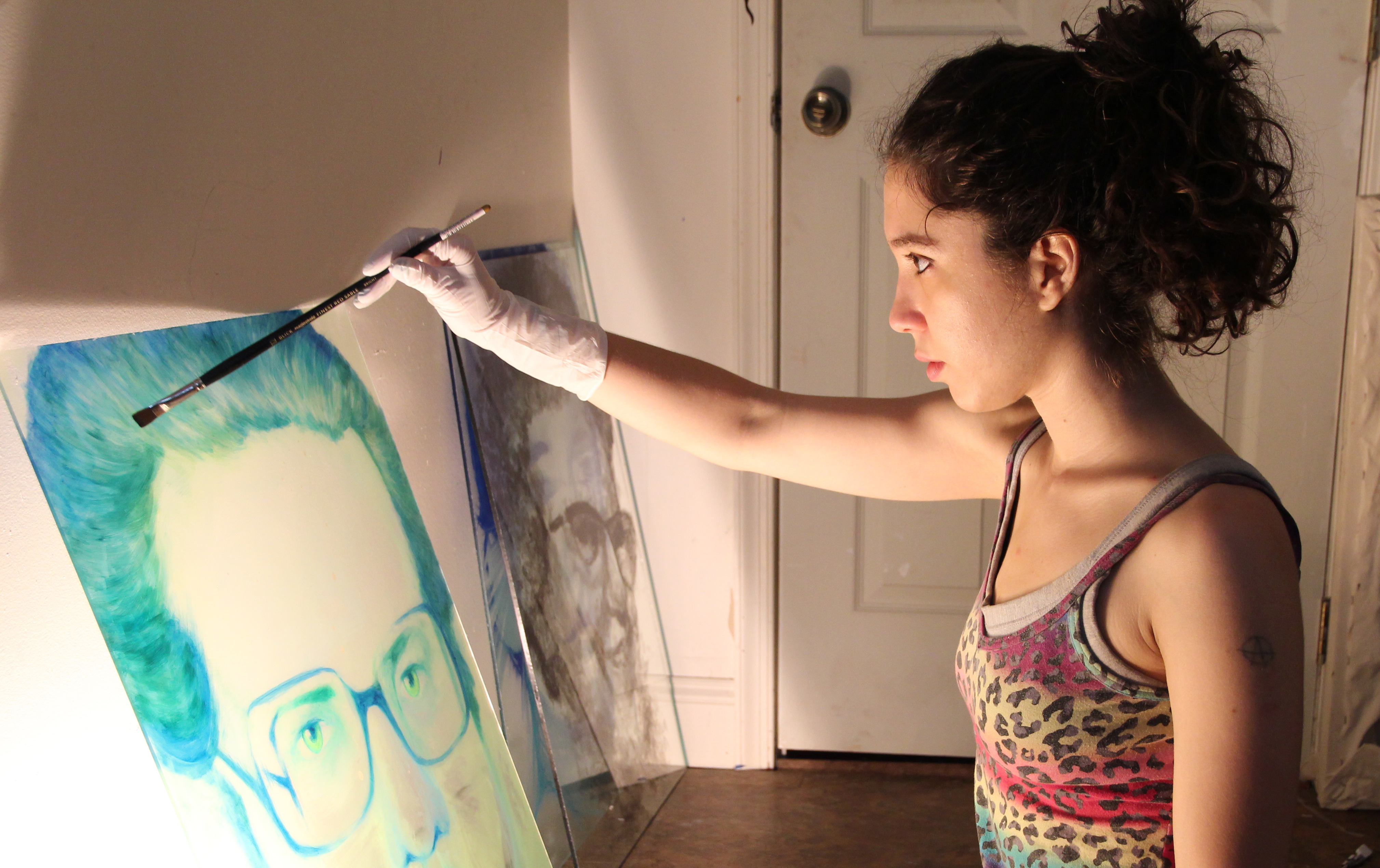
Paula Meninato is an artist from Buenos Aires, Argentina.

11. IMG_1263My family left Argentina after the economy collapsed and my mom got a fellowship at Temple University. I was nine. I remember before it happened feeling kind of detached. I remember I didn’t want to take anything because the people I was leaving behind were more important. I gave all my Barbies to one friend. The only thing I wanted to take was some jewelry that had been my grandmother’s.

The only memory I have of that day was crying on the plane, leaving my family behind. I had one good friend, Fiona, but I was really close to my cousin Damian, and two more cousins I was close to as well, Pancho and Toia. I was really sad about leaving cousins, uncle, aunts, grandfather, sad about leaving family.

I remember arriving in Philadelphia—it was the middle of the summer and it was winter in Argentina. We had travelled a lot so I was used to that. We had travelled to Uruguay, to the US, and to other places. I realized in college what a privilege it is to be able to travel and to be able to go to Argentina every year. I have spent a lot of time in Argentina—my brother and I would miss school in order to stay longer with our family.

Our original plan was to stay for three years and then go back. But the economy in Argentina was terrible and my parents lost faith in our country and its legal system. During that three-year time my dad had a job as an architect and my mom had a teaching job. My brother and I had become accustomed to being here and we had a house and everything. I kind of wanted to leave but I felt like whatever problems I had would be the same there. I felt like I never really established myself here. I always think about the next place I am going to. I went to high school in Swarthmore and didn’t settle in there, and then I went to school in Mexico for a while and I never settled in there either. It is a very Catholic country and at that time I was questioning my sexuality and that was not really acceptable there.

In college I took a semester abroad, but the school was too American. My fellow students just wanted to drink. I felt like I adjusted to Rome more than here, I connected to Italian culture. People had wide cultural understanding that they don’t have here. I feel like the idea that we are what we accomplish is an American idea, rather than to enjoy our lives. I’ve had a lot of help and I want people to value me for who I am and not what I have accomplished.

If I went back to Argentina I wouldn’t have much opportunity. I always consider Argentina to be my country—but not to live there. I never fully integrated into American society, I feel like this is temporary, but I feel like that everywhere. I was uprooted and my roots never took. I remember a painting I saw somewhere with roots that never settle into anywhere.

I never had a stable group of friends until now, which is the only reason for me to stay in Philadelphia. I want to see more and explore and have different experiences. And I want to make art too.

Was it worth it? I think moving here expanded my cultural understanding and I feel liberated that I don’t have to stay in one place. I can have unique experiences that a lot of people never have, but I can’t really stay in one place either.

The immigrant experience affects my artwork through my outlook. I don’t trust a single viewpoint. A lot of students accept everything they’re told, but I always want to prove them (my teachers) wrong. Being an immigrant affects the way I think, so at Tyler I did not try to make my work fit in. I learned a lot but I don’t need to change myself or my artwork to fit in, to be accepted.

I am making artwork about Argentina, for an exhibit at the Argentine Embassy in Washington, D.C., about the political disappearances in the 70s. I’ve been interviewing people who had relatives missing. What matters is that the disappeared person is a real person. I’ve been drawing portraits and I’m making them into glass. The finished work will be on the wall and each portrait will have the story attached to it and as visitors leave the exhibition they will be given a card with one person’s story on it. That one story will personalize the experience of all the disappeared. The military dictatorship that did this was supported by the US. Americans really need to take more responsibility for what their government is doing.

11. IMG_0633aPhotos by Jennifer Baker

Portraits of People on the Move tells the stories of Philadelphia-area immigrants through their own words on the Supperdance.com blog and was first shown as an exhibition June 25–28, 2015, at the Gray Area of Crane Arts in Philadelphia. The exhibition was created as a companion work to Supper, People on the Move by Cardell Dance Theater, a dance inspired by themes of migration.

Portrait of Ana Vizcarra Rankin

“I do not feel pulled by different cultures, so much as I feel like I am not part of any specific culture other that the art world.”

Ana Vizcarra Rankin is a painter, sculptor, and mixed-media artist.

41. el sur y yo

The author’s most recent World map with the South at the top .

We—my mom, dad, three-year-old sister, and I—moved from Uruguay to Oklahoma a few days before I turned twelve. My father had received a scholarship to pursue a masters in animal science at Oklahoma State University, and stayed to get his PhD.  Both my mom and dad are currently university professors in Alabama. I don’t remember much from the day I left, but I remember getting ice cream at our layover in Sao Pablo. It was my first time flying.

I do not recall a send-off meal, but we grilled half a lamb and a lot of beef earlier that year in celebration of our upcoming adventure.
My first two years after arrival were traumatic. Uruguay’s sixth grade education was significantly more advanced in the sciences and math, but I was held back due to the language barrier. Once I conquered English, I was moved to more challenging classes, but remained an outcast until well past high school graduation. Thankfully we “nerds” tried to stick together even back then.

Originally we had planned to stay only for the duration of my dad’s studies, but after he received a National Interest Waiver, the same document that was granted to Albert Einstein, I understood that our future would be better in the USA. Nonetheless, I desperately missed the ocean and moved to the East Coast as soon as I was able.

I do not feel pulled by different cultures, so much as I feel like I am not part of any specific culture other that the art world. Uruguay is a very diverse country, and my ethnicity is a mix of Welch, Portuguese, Polish and Austro-Hungarian. I have Catholic and Jewish family, but they are mostly scientifically minded and do not adhere to tradition.

I love Philadelphia, and there is nowhere else I would rather be, but my desire for travel and exploration is unquenchable. I believe that I am part of a new sub-culture of nomadic elites that act as ambassadors for global congruence. We may not be particularly affluent or privileged, but we live very rich lives.

Having gained a nuanced and broad perspective of society has simultaneously benefitted and caused me great heartache. For many years, I felt isolated because I do not fit within any particular ethnocultural stereotype. Then I found out that there is an entire population of expatriates, immigrants, and neo-nomads with complex backgrounds that feel equally disenchanted with these narrow societal confines. I believe that the diverse and culturally abundant Philadelphia environment is responsible for helping me discover this.

I have identified as an artist since my earliest childhood memories. I have never deviated from my path in that regard. While in Uruguay, I received an exceptional art education during my primary school years, and in Oklahoma I was blessed with an incredibly nurturing art teacher while attending Stillwater’s only public high school. The so-called immigrant experience has informed my work in ways that were not as apparent to me until I finally qualified for financial assistance and could obtain my BA in art history and my MFA, where I was encouraged to unpack the effect of my origins.

Portraits of People on the Move tells the stories of Philadelphia-area immigrants through their own words on the Supperdance.com blog and was first shown as an exhibition June 25–28, 2015, at the Gray Area of Crane Arts in Philadelphia. The exhibition was created as a companion work to Supper, People on the Move by Cardell Dance Theater, a dance inspired by themes of migration.

Portrait of Giovanni Casadei

“I didn’t want to recreate Italy here.”

Giovanni Casadei is a painter and teacher.

13. Giovanni MG_0171

Photo by Jennifer Baker

My father was a barber, my grandfather was a barber. My mother was a homemaker. She waited on the balcony each evening for my father to come home with money for the next day’s food. That was the way it was. My mother and father wanted me to be able to get a job so I studied chemistry in a technical high school.

Every Sunday Uncle Roberto, my father’s older brother, would take me to museums. He was a sheet metal worker. I saw all the museums in Rome because of his dedication. At the Galleria Borghese there was a huge Caravaggio, it came all the way down to the floor. I was little and I could look at it at my level. I remember seeing Velazquez’s painting of the Pope. We went to all the small private galleries. I would copy paintings from books. At fourteen, I bought oil colors and painted at the kitchen table from photos and postcards of paintings. My first painting was from a photo of the Brooklyn Bridge with a tugboat. I spent a lot of time drawing pen-and-ink fantasy drawings, instead of playing soccer.

After I graduated there were no jobs, so I did house painting. The only way to find a job was if you knew someone. When I was twenty, I had a girlfriend who was studying at the Academy of Fine Arts in Rome, and I found a free class to paint and draw from the model. Schools were free—all you had to do was get in.

My first contact with an art teacher was at Scuola Libera del Nudo. Alfonso Avanessian was my teacher for five years. He told me to apply to Academy of Fine Arts. I had a tech degree, not liceo artistico which meant that I had to take a state exam to qualify. There were five days of exams and I had to produce a portfolio. I got in but only went for one year. In the first year, we only painted once a week. To fulfill the curriculum we also studied etching, cast making, and anatomy. The Academy had a conservative mentality and I was impatient—I just wanted to paint. I went back to la Scuola Libera del Nudo and back to my teacher, Alfonso, who was very open.

While I was at the Academy, I met Nancy, who eventually became my wife. She was studying at Tyler in Rome, which was just behind the Academy. My father was diagnosed with cancer in 1982 and died in 1983. Just after he died I was sitting in a park with a friend and I just didn’t know what to do. Nancy wanted to go to the U.S. My friend said “there’s nothing for you here, you should go.” I had to get a fiancé visa, which would last for three months. It took six months to get the visa. I had an interview, a medical exam; it was a long process. I didn’t see a future in Italy, which was struggling financially. The political landscape was bad. Italy was living on American popular culture. My mother knew all American actors, watched American movies on TV. We got a TV in 1968 and fridge too. The U.S. reputation was to be free, to do what you want. I was fascinated.

I came to the U.S. on December 1, 1983. I was twenty-seven. I got married after three months. I only knew a few words of English. I worked for Tom Judd as a house painter. I had to go to school to learn English. I went to the Nationalities Service Center. There were good teachers there. The director knew how to say good morning in every language. I got my green card after getting married.

I would go to Italy every year, as long as my mother was alive. I still have friends in Rome, I am closer to them than to my cousins. With my cousins, our way of thinking became so different that we don’t relate very well.

I took night classes at PAFA (Pennsylvania Academy of the Fine Arts). I studied with Murray Dessner, Seymour Remenick, and also studied at Fleisher. There was a network of people helping each other within the artist community. Things didn’t work out with Nancy and eventually we got divorced. I started full time at PAFA in 1988 and worked as house painter in the evenings and summer. Then I got scholarships and I could work all day and night at PAFA.

I don’t remember the day I left Italy, but I remember my arrival. I landed late in the afternoon in New York and Nancy came to pick me up in a car. I was so surprised to see the huge highway, I-95, New York to Philadelphia—in Italy a highway has two lanes—and to see so many women driving cars! Not many women drove in Italy. Women stayed home, took care of family. We crossed the Ben Franklin Bridge at night. It was quiet with no traffic. Quiet, no traffic, tiny streets, so quiet and we could see the whole city. Nancy had an apartment at 9th and Spruce. It seemed like a little fairy tale town. Row houses in the city seemed strange. Rome is all big apartment buildings, dense traffic, smog.

I wasn’t sure if my move was permanent. I didn’t know how Nancy and I would work things out. In this country, there is mobility of people who work. In Italy a job is for life. I’d never heard of part-time jobs. After graduating from high school, I took a test for a low hospital job and after hearing nothing for three years, I got a job offer. My mother couldn’t believe I turned it down. My parents and sister were furious that I turned it down. When you get job it is for life. If you work for the government, no one will ever fire you. Job security was valuable—but for me it was a death sentence.

When I lived with my mother she cooked, barely allowed me to make coffee. Here I learned to cook, it was a connection to my country. I would call my mother and ask her how to make a dish I wanted to cook. I never felt I belonged only to Italy or to the U.S. I do not make that distinction. I am myself and I like where I live. I never felt out of place. I have an accent and my English is a bit sketchy. My understanding was not great for a long time. I knew I had to make adjustments and learn more English but I never felt out of place.

Nancy’s family were Main Line WASPs. They weren’t happy. We had a protestant wedding. It went completely over my head. I smiled and didn’t understand anything. She translated what was going on for me.

I knew I had to learn to speak English. I couldn’t care how I sounded or I would never learn. No matter how many times I failed I just had to keep trying. I had a constant headache for two years, trying to figure out what people were saying. I turned down a job for an Italian house painting company. I didn’t want to recreate Italy here.

Italian translation (excerpt) by Giovanni Casadei


Giovanni Casadei

Mentre studiavo all’ Accademia di Belle Arti a Roma, Ho incontrato Nancy che poi divenne mia moglie. Nancy a quel tempo studiava a Tyler School of Art a Roma. Mio padre nel 1982 ha scoperto di essere malato di tumore e muore nei 1983. Dopo qualche giorno la morte di mio padre, stavo seduto in un parco con il mio amico, ero perduto emotivamente e non sapevo cosa fare nella mia vita. Nancy voleva che andassi negli Stati Uniti con lei, ero molto indeciso. Il moi amico mi disse, ” Non c’e’ niente per te qui in Italia, devi andare”.

Non mi ricordo la mia partenza dall’Italia, ma mi ricordo l’arrivo negli Stati Uniti. Ho atterrato a New York JFK aeroporto, Nancy venne a prendermi con la sua automobile. Sono stato cosi sorpreso dall’autostrada I95 da New York a Filadelfia, autostrade con molte gareggiate mentre in Italia ero abituato ad autostrade solo a due gareggiate, e vedere molte donne dietro al volante. Nel 1983 non erano molte donne che guidavano in Italia. Le donne Italiane stavano a casa ad accudire la famiglia. Attraversammo il Ben Franklin Bridge a sera inoltrata. Filadelfia era quieta, silenziosa, non c’era traffico, strade a senso unico, potevamo vedere tutta la città dal ponte che stavamo attraversando. Nancy abitava in un appartamento sulla Nona strada e Spruce. Filadelfia mi e’ apparsa come un paesino da favola.

Non ero sicuro se la mia visita era permanente. Non ero sicuro se Nancy ed io potevamo ristabilire la nostra relazione che avevamo in Italia. La famiglia di Nancy erano dalla “Main Line WASPs”. Non erano molto felici della nostra unione. Abbiamo avuto un matrimonio Protestante. Mi sentivo cosi perso al mio matrimonio ( perché non parlavo inglese bene e non potevo capire). Sorridevo e non capivo quasi niente. Nancy era la mia traduttrice personale.

Per due anni ho avuto un mal di testa costante, per capire cosa mi dice la gente in questa lingua straniera. Ho rifiutata di lavorare per una compagnia di imbianchini italiana. Non volevo ricreare l’Italia qui in America.

Portraits of People on the Move tells the stories of Philadelphia-area immigrants through their own words on the Supperdance.com blog and was first shown as an exhibition June 25–28, 2015, at the Gray Area of Crane Arts in Philadelphia. The exhibition was created as a companion work to Supper, People on the Move by Cardell Dance Theater, a dance inspired by themes of migration.