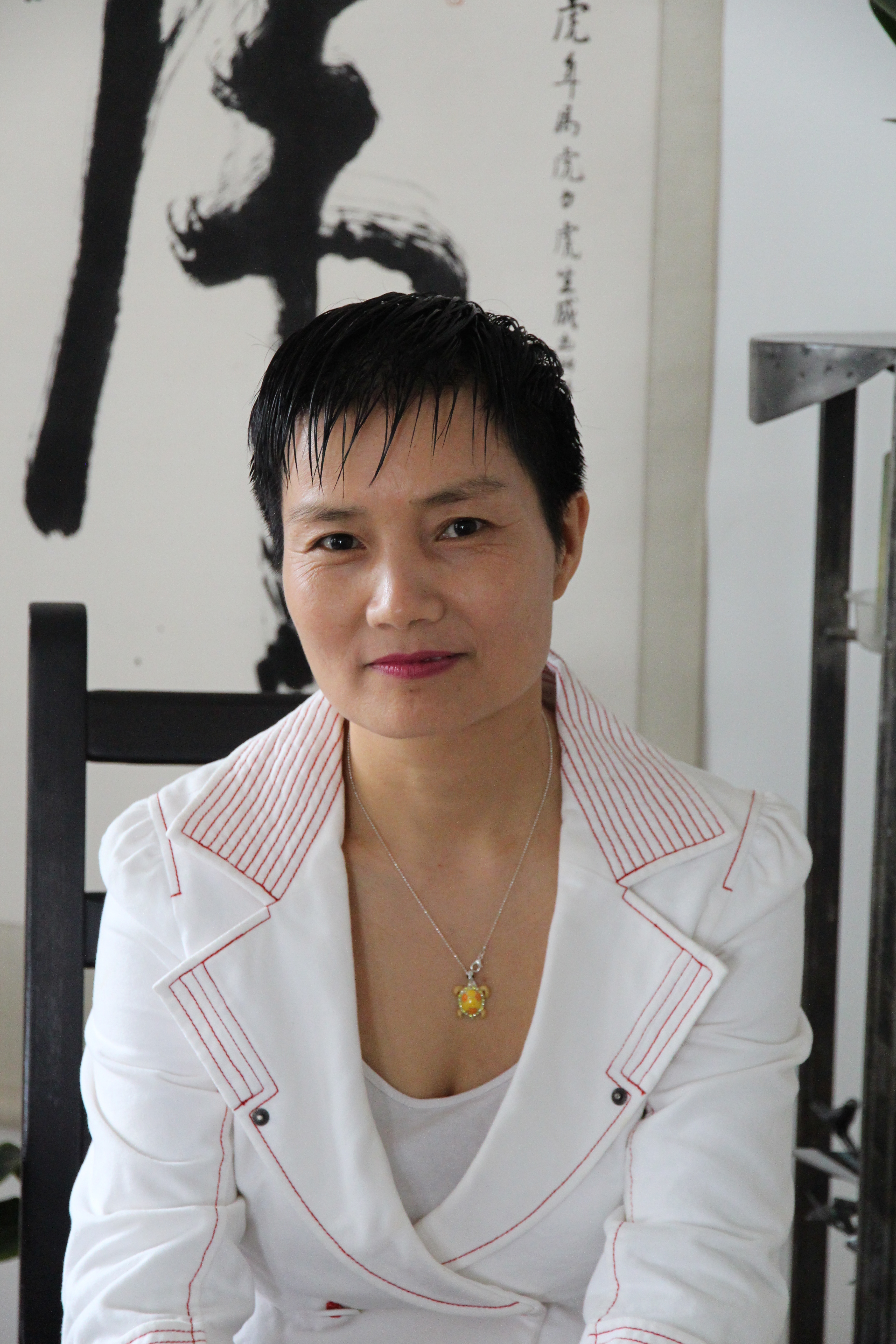
Portrait of James Wah Kong Chan

“The night before I was to leave Hong Kong, I dreamed of being chased after by vampires in Chicago.”

 James Wah Kong Chan is an export marketing consultant.

52. James Chan High ResolutionI was an illegal immigrant for five years. From 1977 to 1982, the U.S. Immigration & Naturalization Service sent me to three deportation hearings. I hired three lawyers to defend me until one day I broke down and prayed to God for help.

I came to America as a shy, clueless foreign student with a B.A. degree from the University of Hong Kong. I was on a student visa to study geography at the University of Chicago, where I got my M.A. degree in 1973 and at the University of Michigan, Ann Arbor, where I got my Ph.D. degree in 1977.

By then, I had grown fond of the American culture and way of life and I wanted to stay. Boston University offered me a one-year job as an assistant professor. I accepted the job but my student (F-1) visa was about to expire. When I stayed to continue to teach, I “over stayed” and became by law an illegal immigrant.

One day, near despair, I found myself wandering nervously next to the Basilica Cathedral of Saints Peter and Paul in Center City. I saw the Cross and I realized that there was one last resort—to ask for divine intervention.

I walked into the Cathedral and prayed to Saint John Neumann for guidance. After that, I went down on my knees and prayed to God. In silence, I made a vow to God: “If you could help me get a green card, I would promise to pull China and America closer.” I created a story of which I could be the hero. I forged my own myth. I left the church and typed 500 more job search letters.

A few months later, a Fortune 500 company hired me and proved that I could do a job that no American citizen could qualify to do. The company wanted my help to export scientific, technical, medical, and scholarly books and journals to China and other Asian markets. On my birthday in August 1982, the U.S. Consular Office in Hong Kong gave me my permanent residency card and said to me: “James, Happy Birthday!”

From being a shy, clueless foreign student from Hong Kong, I’ve transformed myself into a management consultant advising Fortune 500 companies on how to sell their products in China. My five-year herculean task taught me a lot about how to succeed in America and how to be an assertive public speaker and independent export marketing consultant. I set up my own consultancy in 1983 and I’ve advised more than 100 U.S. firms on how to promote and export their products and services to Asia.

I left Hong Kong in 1971 because I wanted to get a doctoral degree and see the world. I remember the night before I was to leave Hong Kong, I dreamed of being chased after by vampires in Chicago. I cried quietly on my first plane ride from Hong Kong to Chicago. I was afraid of failure but secretly I was excited. A friend from Hong Kong at Chicago let me sleep in his bed because he had noticed that I was physically exhausted and emotionally drained. He slept in his own sofa instead.

My mother saw me off at the Hong Kong Airport in 1971. A few months later, she borrowed money from a loan shark to help me pay for Chicago graduate school tuition. I cried uncontrollably in the basement of The Joseph Regenstein Library that evening when I read the Western Union cable about the money. Luckily, from that year on, I was either on scholarship or teaching assistantships throughout my entire graduate school years. I sent money home to my mother every month until she told me to stop decades later.

All of my degrees are in regional and cultural geography. I was fascinated by how countries behave like individuals with their respective unique, quirky personalities and psyche. I love to study them and predict their conduct. It is no coincidence that my clients value my expertise in helping them to read the character of people in China and decode their feelings and motivation.

Even before I forged my own myth at the Cathedral Basilica, I had felt strongly that China and America have very different personalities and value systems. They would need cultural go-betweens like me.

My personal myth and my role as a mediator in business between China and America are documented in my book, Spare Room Tycoon, Succeeding Independently, The 70 Lessons of Sane Self-Employment.

Portrait of James Wah Kong Chan 陈华江移民美国的故事

Translated by Wendy Song,Tianjin, CHINA 天津市宋宏翻译

离开香港的前一天晚上,我梦到自己在芝加哥被吸血鬼追赶。

陈华江博士(James Chan)是美国费城出口市场营销顾问

我在美国当了五年的非法移民。1977年到1982年,美国移民归化局找我去参加了三次驱逐听证会。在那五年内,我雇了三个律师为我辩护,直到有一天我觉得走投无路了,向上帝祈求帮助。

在香港大学取得学士学位之后,我来到美国。那时候,我是一个害羞、没有社会经验的外国留学生。我拿到学生签证,在芝加哥大学学习地理,并于1973年在那里获得了硕士学位,1977年在安娜堡密歇根大学获得了博士学位。

从那时起,我开始喜欢美国的文化和生活方式,我想留下来。波士顿大学给我提供了一个一年的助教工作。我接受了这份工作,但我的学生签证(F-1)即将到期。当我留下来继续教书时,我因“过度停留”,成了非法移民。

在那些和美国移民局战斗绝望的日子里,有一天,我发现自己焦虑地徘徊在费城市的圣徒彼得和保罗的天主教大教堂旁边。我抬头看到了教堂屋顶的十字架,于是意识到,我还有最后一个可以请求的对象–上帝。

我走进教堂,向圣徒John Neumann祈祷以寻求指引。之后,我跪下来向上帝祈祷。在沉默中,我向上帝许下誓言:“如果你能帮我拿到绿卡,我会承诺把中国和美国的关系拉得更近。”我在心里写了一个故事,在这个故事里,我可以成为英雄。我锻造了自己的神话。离开教堂的那一刻,我的心感到异常的平静。回家后,我继续手打了500份求职信,向愿意聘用我的美国企业求职。

几个月后,一家财富500强的公司雇佣了我,这份工作所以会让我来做,是因为没有美国本地人可以胜任它。该公司希望我能帮助出口科学、技术、医学和学术书籍和期刊到中国和其他亚洲市场。1982年8月我的生日那天,美国驻香港领事馆给了我永久居留证,并对我说:“杰姆斯,生日快乐!“

从一个来自香港,害羞、缺乏社会经验的外国留学生,我把自己变成了一个美国企业管理顾问,为财富500强公司提供如何在中国销售产品的策略。那五年的艰苦卓绝教会了我如何在美国取得成功,以及如何成为一个自信的演说家和独立的出口市场营销顾问。我于1983成立了自己的咨询公司,并向100多家美国公司提供了如何向亚洲推广和出口他们的产品和服务。

我是在1971离开香港的,因为我想获得博士学位,并看看世界。还记得在离开香港的前一天晚上,我梦到在芝加哥被吸血鬼追赶。我坐在飞机上静静饮泣,那是我第一次从香港到芝加哥。我害怕失败,同时内心却也十分激动。一位先我来芝加哥的香港朋友看出了我的精疲力竭,便让我睡在他的床上。而他则睡在自己的沙发上。

1971年,母亲在香港赤喇角机场给我送行。几个月后,为了帮助我支付芝加哥研究生院的学费,她从一个高利贷者那里借钱。当我收到关于这笔钱的电报的那天晚上,我在芝加哥大学的Joseph Regenstein图书馆的地下室里不由自主地哭了。幸运的是,从那一年起,在读书生涯中,我就一直能拿到奖学金或助教工作。此后,我每个月都把钱寄给母亲,直到几十年后她告诉不用再给她寄钱为止。

我的大学及研究院专业都是区域和人文地理学。我着迷于一个国家如何像个人一样拥有独特、古怪的个性和心理。我喜欢研究他们并预测他们的行为。我的客户重视我的专业知识,这能帮助他们阅读中国人的性格,解码他们的情感和动机。所有这一切都并非巧合。

即便在我在教堂许下心愿之前,我也能强烈地感觉到中国和美国有着非常不同的个性和价值体系。他们需要像我这样的文化中间人帮助两国穿线搭桥,解决冲突。

我的个人神话故事以及我在中国和美国之间的商业中介角色都记录在我的书中,这本书就是《创业大亨》Spare Room Tycoon。这本书包含了我如何自己做老板的70堂课。

2015年6月25-28日,费城的Crane Arts展览馆举办了一个名为“迁徙的人们的肖像”展。这个展览通过用自己的话讲述了《费城移民》的故事。

Portraits of People on the Move tells the stories of Philadelphia-area immigrants through their own words on the Supperdance.com blog and was first shown as an exhibition June 25–28, 2015, at the Gray Area of Crane Arts in Philadelphia. The exhibition was created as a companion work to Supper, People on the Move by Cardell Dance Theater, a dance inspired by themes of migration.

Portrait of Luis Castro

“I couldn’t transfer my architecture degree to the US, so I worked as a delivery driver for a fish company.”

34. IMG_0423Photo by Jennifer Baker

I came here in 2007 from Huancayo, Peru.

I got a degree in architecture in 2002, and worked for several years in my hometown. I met my wife there; she went to Peru for vacations, and to learn Spanish before going to medical school in Boston. After dating her for couple of months, we got married. She is from Ithaca, New York, so when we got married, her mother and two of her best friends came to Peru for the wedding and then she returned to start school. I came six months later in December after finalizing all the legal paperwork to obtain the American visa and the green card. After spending three years in the United States, I became an American citizen.

When I arrived in the US, I didn’t speak any English. I learned most of my English from talking to my wife and friends, and asking questions of them; also, I went to the Boston Public Library for English classes and conversation group meetings. When I was confident enough, I went to the University of Massachusetts to take ESL classes for six months. I couldn’t transfer my architecture degree to the US, so I worked as a delivery driver for a fish company, delivering to restaurants for almost two years.

In 2010 we moved to the Philadelphia area because my wife got a residency at Christiana Hospital in Delaware. I enrolled at Delaware Country Community College for two years to study engineering while also working at Genuardis as a delivery driver. Then I transferred to Drexel University to continue my work, and ultimately become a mechanical engineer. Once I’m done with school at Drexel, I will move to Boulder, Colorado—I’m interested in the aerospace and energy engineering.

If I was here with my family I may have more of my own culture. But since I married an American girl I got used to American culture. I’m Catholic because my parents were but it’s not a big part of my life. I lived in Huancayo—a big city in the mountains. When I was leaving we had a big dinner with my family. My mom cooked several special meals. For lunch she made ceviche, for dinner, roasted cuy (guinea pig) with spices, yellow rice and potatoes. I drank beer with my father, brother, and friends before I had to go to Lima’s airport. I drove for five hours with my parents to the airport where we hug, kiss, and say goodbye before my departure.

In architecture school, I studied American cities so when I arrived here it wasn’t very different. Even though I lived in a high altitude place in Peru, I had never seen snow falling down, so when I was in Boston, it was very exciting for me to see snow. The food here was very different. I’m not a good fan of fast food, instead I cook myself Peruvian food: meat, potatoes and different spices. My mother taught me how to cook when I was a child. My mother went to Argentina for two years when I was young so she taught me to cook for my brother while she was away and my dad was working.

I’m used to the American culture, and have several friends here, so I would rather be here now. However, during my first half year here, I wanted to go back because I missed my family and my culture. I worked for four years in Peru as an architect and here I couldn’t get a job. It was pretty frustrating. Looking back I had to put in a huge effort to fit in here, with lots of support from my wife, my family, and her family. I have accomplished many of the goals that I had when I arrived here.

Portraits of People on the Move tells the stories of Philadelphia-area immigrants through their own words on the Supperdance.com blog and was first shown as an exhibition in June 2015, at the Gray Area of Crane Arts in Philadelphia. The exhibition was created as a companion work to Supper, People on the Move by Cardell Dance Theater, a dance inspired by themes of migration.

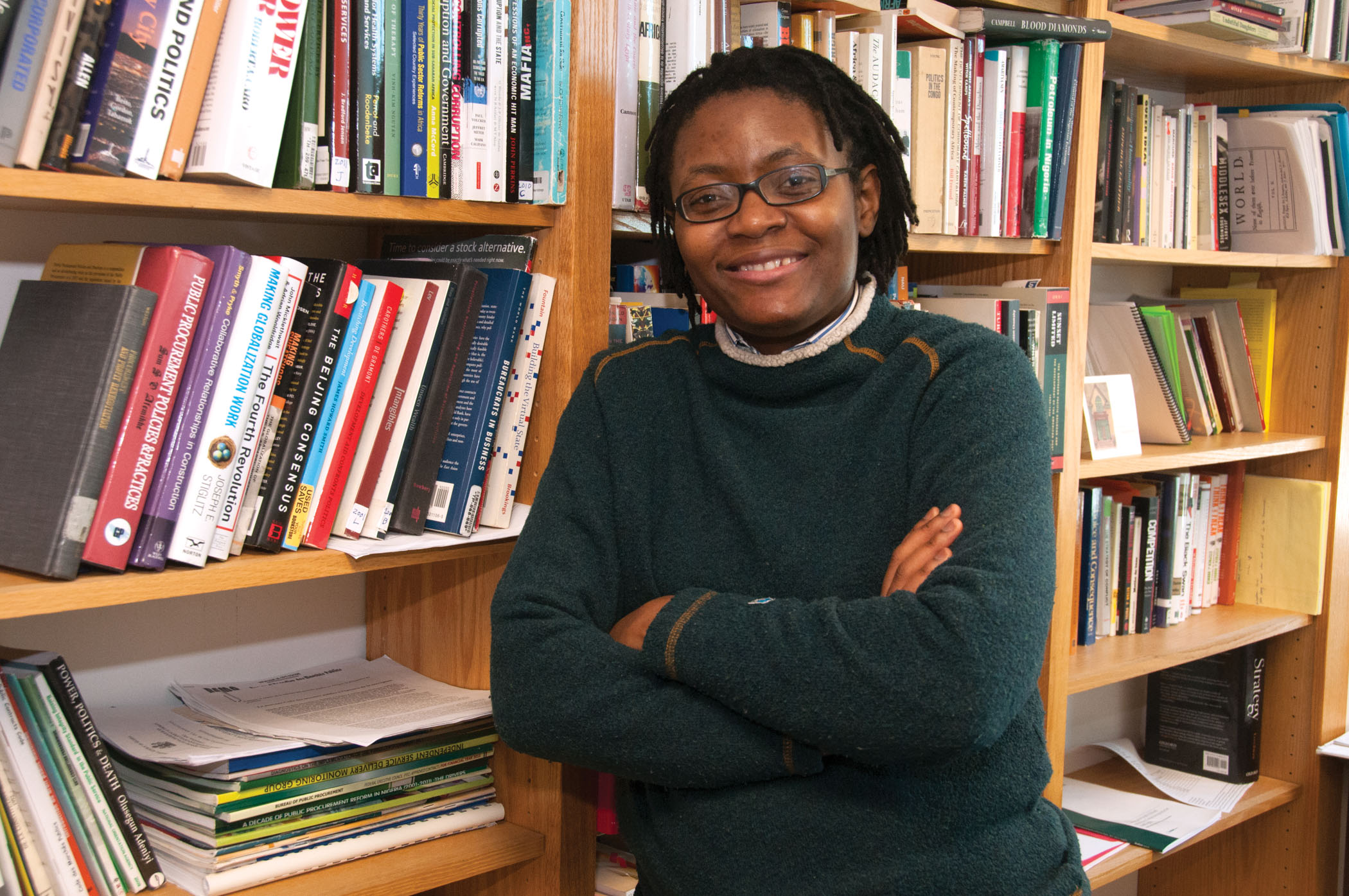
Portrait of S.N. Nyeck

“I never idealized the United States and I never idealized my own country. My sense of place and belonging remain with me.”43. Nyeck-9797

S.N. Nyeck, PhD, is an assistant professor of political science at Clarkson University.

I was not planning to leave Cameroon. I had never really envisioned myself living in the U.S.; it was an accident in a way. I was a student of law, but I had to leave my legal studies at the age of twenty-three because I became involved in a legal case as the plaintiff. A family member of mine was a victim of rape when she was ten years old, although she had a mental age of about two as a result of Down Syndrome. I brought the issue to the attention of the court because I suspected the perpetrator was a family member. I won the case, only for it to be appealed soon after on the grounds that as a lesbian I hated all men and so had reason to bring this case to light. Under Cameroon law, the minimum for rape sentence if found guilty is fifteen years but with the aggravating circumstance of incest he should have gotten life in prison. This maximum sentence was not necessarily what I wanted but it was the law. During the first round, he was sentenced to twenty years. With the appeal he was again found guilty of all charges, but given five years. This was a violation of the penal code, but it made political sense. With the president’s annual address, he would grant amnesty to prisoners with sentences of five years or less. My life was threatened by the perpetrator, which led me to seek asylum in the U.S.

I had travelled to the U.S once before, visiting for three months, but I had not imagined returning to live here. I learned about the U.S. through reading; I would go to the U.S. Embassy Cultural Center to check out books in English. French was my first language. Martin Luther King, Alice Walker, Maya Angelou—what I admired was that the U.S. was a place where one could voice an opinion and run the risk of being shot. I thought that was amazing. I felt that I was living in a society where the very imagination of any struggle was forbidden and thought was suppressed before it could be conceived. It is a bit paradoxical that I would say that, but to me the U.S. was never an idealistic or ideal place to live. It was a place where struggle could happen, albeit a risky one. That was my vision of the United States.

When I arrived here in 2003 I stayed with the family of the editor of a journal I had been writing for: A Globe of Witness. I wrote a column titled, Colors of Conscience. I was writing mostly online personal reflections, trying to organize some debate on queer issues in Africa without being harassed. The editor and his family lived in New York. As a result of this relationship I became connected to the President of LaGuardia Community College who awarded me a Presidential Scholarship to facilitate enrollment. They had a great program called Exploring Transfer which took Community College students taking honors courses to a four-year college, in my case Vassar, for immersion. Following this I applied to top schools and decided to go to Swarthmore College where I studied political science and comparative literature.

I was granted asylum in April 2004. When granted asylum, one cannot return to the country of origin. Once asylum is granted one technically becomes stateless, a person under protection of another state. When I left Cameroon, I left behind my family, key among whom was my maternal grandmother. She said, “I hope I will see you again.” I used to receive a portrait of her each year; that was something that kept me going. She really stood by me, we were very close. I vividly remember that day not knowing where I was going but believing that my family was going to be with me in spirit. During the years I couldn’t travel back, I lost my grandma and it was very difficult. I was not there to say goodbye to her. In 2011 I returned and visited her grave. Doing so gave me the closure I needed to fully settle into my new homeland.

If you ask me, I wouldn’t say I have experienced cultural shock as such, with the exception of seeing homelessness displayed so prominently. Coming from a place where, compared to the U.S., people are poor, and seeing someone my age not having a roof, it was just mind-boggling. Conversely, I was very lucky to be mentored by people in academia who were critical thinkers themselves. This nurtured a vision of the U.S. as a place of freedom of thought—one doesn’t have to be right but one is afforded the right of expression. Paradoxically, the more I live in this country, I come to the realization that most of the U.S. is actually anti-intellectual and not as open as one might assume. But in the classroom, people are allowed to grow and think in a totally different environment.

Aside from these differences, Cameroon is similar to the U.S. socio-cultural attitudes towards gender—sexuality and politics are controversial. Nevertheless in the typical daily life sexuality is constantly being negotiated. Unlike the U.S., however, legally, Cameroon still criminalizes same-sex relations. According to some human rights groups, Cameroon now has a higher detention rate of queer people, whereas in other places such as Uganda, much publicized cases do not necessarily lead to longer detention time.

Like most people I live in two different worlds, many different places, but I wouldn’t say it is a clash of cultures. I never idealized the United States and I never idealized my own country. My sense of place and belonging remain with me.

Portraits of People on the Move tells the stories of Philadelphia-area immigrants through their own words on the Supperdance.com blog and was first shown as an exhibition June 25–28, 2015, at the Gray Area of Crane Arts in Philadelphia. The exhibition was created as a companion work to Supper, People on the Move by Cardell Dance Theater, a dance inspired by themes of migration.

Portrait of Richard Newton

“Within a few days of arriving, I found myself setting the seeds, and very quickly roots in a place that was originally a mere two year sojourn.”

Richard Newton, a partner at OLIN, is an architect and landscape architect.

12. IMG_2296I came to the U.S. to study landscape architecture, an elusive and rather difficult-to-define profession. It might seem somewhat ironic that I should come to study landscape architecture in the U.S. Although it is a country that deeply values its pristine natural landscapes it allowed its suburbs to expand seemingly unconstrained around its towns—further distancing urban dwellers from exposure to a relatively intact nature. Together with a number of other enlightened souls, an environmental awareness emerged in the late 1950s and early 1960s. A passionate and vociferous member of this movement was Ian McHarg, a remarkable Scot who founded the landscape architecture program at Penn. It was a dear friend of mine from my days studying architecture in Manchester, Niall Kirkwood, who convinced me that Penn under Ian was the best place to study landscape.

I had practiced as an architect in London for a decade before embarking on this American journey. I lived in the heart of London, in Soho just behind Piccadilly Circus. To live there I felt I was an inseparable part of the heartbeat of the city.

My fascination with landscape, of living within a place, has many seeds. Some of my early years, from age two to five, were spent living in a caravan in a field just outside Windsor where I played in hedgerows and besides small streams. My mother was born and brought up in the coal mining valleys of South Wales, a landscape denuded by the sheep and the coal industry, which we regularly visited as I grew up. A landscape of constantly spinning pithead wheels flames shooting from chimneys and of aerial catenaries transporting the waste making new hills in the shadow of the old “mountains.” This was entrancing to my young eyes but a place that my mother escaped from as soon as she could. In contrast, my father had been brought up on the flat, wet Lincolnshire fens. Throughout my childhood and until he had his first stroke in his 70s, one of my most enduring memories of my father was of him tending his community garden. His pride in showing me all he had grown, and sharing with me the knowledge he had gained over a lifetime of cultivation, was palpable. I particularly recall the manner in which he thrust his hand into the soil and rubbed it between thumb and fingers to show me its fertility. This was a connection with nature I shall always value and be grateful to him for.

At age 11, I found myself attending a private school on the south coast of England paid for, almost incomprehensibly now, by my local town council. They associated my lack of academic progress with my relatively poor health, attributed to the seasonal allergies in the Thames Valley. Studying within the bracing and relatively pollen-free sea air would be transformative and guarantee academic success they thought. It was in the buildings of that school that I saw the melding of landscape and architecture. The school was built from the soft white chalk and the hard crystalline flint that formed much of the South Downs of Sussex. It was this landscape I sped through during my solitary and contemplative cross-country runs. And over which I flew in small single engine aircraft and gliders, courtesy of my participation in the Combined Cadet Force. Flying was a profoundly moving experience for me. The expansive views of the diverse yet somehow closely related landscape forms, my sense of weightlessness, and the endless curving perspective starkly contrasted with the grounded sense that I experienced on my runs. Both became facets of my designer’s skill that needed to be brought to bear on the challenge of remaking landscape.

The book that started to make sense of all these formative experiences was “A Land” by Jacquetta Hawkes, an archaeologist with the sensibility of a poet. In it, she describes Britain as “a land as much affected by the creations of its poets and painters as by changes of climate and vegetation.” It is a “unity cannot be stated, for it remains always beyond intellectual comprehension.”

So what has this to do emigration? I found leaving behind the rich and diverse landscapes of my upbringing one of the most difficult aspects of moving. I could communicate with friends, but the visceral experience of actually being there was something I found more difficult to replace. The dislocation seemed to break bonds that had evolved over many decades. For me my everyday surroundings were akin to a book I read as poetry, history, fiction and encyclopedia. But more than that it was biography. As such, moving requires a reconstruction, in part, of that past history—but also the rebuilding of a new history.

I arrived then on a hot steamy afternoon in August over two decades ago. I was met at the airport by Ian McHarg and his trusty assistant Lenore, windows open, Ian smoking a cigarette out of the window, and Lenore navigating, it was one of the most hair-raising journeys I had ever experienced. We eventually located Niall’s flat in the streets behind South Street. He had offered to put me up until I found an apartment. Within a week I had attended a party at the firm where I now still work and where I met Shaun whom I married some four years later. Rebuilding a new history within a few days of arriving, I found myself setting the seeds, and very quickly roots in a place that was originally a mere two year sojourn, a sojourn I had planned to better understand where I had come from and to better understand my chosen elusive discipline.

I feel completely torn by two cultures. I was thrity-six when I came here. Coming to the U.S., one had a slight exoticism that makes one stand out as being different. Gradually since I’ve been here, even though I’ve retained friends in Europe and England, the familial connections have disappeared, as my father, mother, and aunt died. No more need to return to fulfill a role in the family—I have not been back in three years. A whole part of me is empty. I listen to the BBC a lot. I feel the need to satisfy a cultural diet.

Looking back it seems to me I could learn from the rather over used words of Marcel Proust, “The real voyage of discovery consists not in seeking new landscapes, but in having new eyes.”

Portraits of People on the Move tells the stories of Philadelphia-area immigrants through their own words on the Supperdance.com blog and was first shown as an exhibition June 25–28, 2015, at the Gray Area of Crane Arts in Philadelphia. The exhibition was created as a companion work to Supper, People on the Move by Cardell Dance Theater, a dance inspired by themes of migration.

Portrait of Sally Li Mai

“When I heard I passed the visa application I was so excited I was crying. I’d dreamed of coming to America since I was three years old.”

Sally Li Mai is a massage therapist and a tai chi master.

35. IMG_0425I was born in 1968 in Taishan, a small city in Guangdong province in southern China. My sister Na came here first in 1986. She became a citizen in 1991. My parents came in 1992, and they, too, became citizens. On April 3, 2003, I came here. I’d had to wait nine years longer for a visa. My other sister and two brothers came at the same time. It’s not easy to come to America, it’s really hard. My parents wanted us all to come, but it took a long time. My parents and sister now live two blocks away from each other in Northeast Philadelphia.

When I heard I passed the visa application I was so excited I was crying. I’d dreamed of coming to America since I was three years old. I missed my family who were here already. I didn’t want to stay in China. Two days after I got my visa, I left.

I landed in New York at Kennedy airport. My sister and friend came to pick me up. New York was so beautiful. Wow. I was so excited. I thought, “I am free!” I came to America. I felt like a bird in a cage set free.

In China, my then husband and I owned a successful company selling home improvement supplies, and I was a tai chi master. When I came here I worked in a factory and lived in my parents’ house, sharing a bedroom with my sister. Then I left the factory to work at Dunkin Donuts for four years. That’s where I started to learn English.

When I first got married in China, I was so unhappy. My first husband’s family was not nice to me. But I moved back to marry him, so my son could come here. I needed my husband to bring my son. I did not want to stay married but I sponsored them both to come here. My son was twelve when he came to America. He lives with his dad. Before we got married, we fell in love, but then he hit me. He kept secrets from me. I hated him and his family. I called my mom. She said bring him and come to America. I would do anything for my son. He was born in 1996.

After I came to America in 2003, every year I stayed one month in China to be with my son. My son and husband lived in his parent’s house. I didn’t want my son to forget about me. After they came to America, my husband and son lived with my parents for one year and then moved out. We got a divorce. He tells my son your mother is not good woman, not good mother. My son listened to him more than me. They were lucky that I brought them here.

I am so guilty I did not tell my son the whole story. They came in 2008. When we got divorced, we agreed to share custody. But then my husband hired a lawyer to go to family court. I worked at Dunkin Donuts and had little money. We shared custody but I had to pay child support to him.

When my parents first came here, my mom and dad were in their sixties, and worked sewing in a factory in Chinatown. My dad, in China, had a good business. He was the president of a chemical factory, in the city of Guangzhou. My mom thought they would work two years here and then retire.

Mom got me the factory job. I cried every day the first year I came here. I told my mom I wanted to go back, I didn’t want to stay here. It was such a hard life. I stood up working twelve hours a day, working Friday, Saturday, Sunday. I went to school to learn English Monday through Thursday. I got up at 4:30 to work from 6:30 AM to 7:30 PM for a year. After a year, I traded my factory job to go work at Dunkin Donuts. I worked at 15th and Chestnut for four years and met all kinds of people. I had never seen black people before. I quit Dunkin Donuts in 2008. I got a license as a massage therapist and started my own business. I had studied traditional Chinese medicine massage in China.

When I first came here, in Northeast Philadelphia, I did tai chi in my parents’ front yard. My sister and parents told me not to do this outside. They wanted to fit in and seem American. My neighbors liked tai chi and wanted me to teach them, but my sister was afraid and told me not to take any money.

In China, it is a very different culture. In America, I have freedom and I feel comfortable. In China I was scared. I gave up my Chinese citizenship. My tai chi master said, “You will find an American husband.” When I was a child, my mom took me to a fortuneteller. She said, “You will have two husbands.”

I do not see my son and that makes me very sad. I can see him only every two weeks. I hope when he goes to college and moves out of his father’s house, we will be closer. When my son was born, I was very weak and sick. When I took my son to kindergarten I went to the park to exercise because my doctor told me to. I met my tai chi master and learned tai chi and began to feel much better. Tai chi saved my life and keeps me in good health.

I met Steve when I worked at Dunkin Donuts. He was nice and very patient. He would spell words for me so I could look them up. In China, I had lots of friends and no one had the same birthday. But Steve and I had the same birthday. I fell in love with him. Steve invited me to his art show. I didn’t know what it was. I had to translate the invitation and then I knew he was an artist, a sculptor.

The first time they met Steve, my family said no because he is older than me. But now they know we are happy. Then on July 27 for my birthday my whole family went to dinner in Chinatown. I invited him to come to the party. Nobody spoke English but he came, and it was both of our birthdays. Then Steve invited me to the art museum. That’s my love story in America. In 2010 I became a citizen. I had to learn American history to take a test. I’m happy here in America.

Photo by Jennifer Baker

Portraits of People on the Move tells the stories of Philadelphia-area immigrants through their own words on the Supperdance.com blog and was first shown as an exhibition in June 2015, at the Gray Area of Crane Arts in Philadelphia. The exhibition was created as a companion work to Supper, People on the Move by Cardell Dance Theater, a dance inspired by themes of migration.

Portrait of Syrja Baci

“After the first shots I managed to get away through the back window, and later that day I learned that my father was shot in the leg.”

40. E14

Syrja with his wife Albana, Syrja’s parents Hysni and Rubiko, and two daughters Xhena and Lorena

Syrja Baci runs Baci Brothers, a home renovation company, along with his brothers.

I was born in 1969 in Albania. In 1998 I came here. It was a hard time in Albania. We were democrats and they tried to kill us. Like many other families, our family had been hit hard by the reforms that the harsh communist regime was applying. In the early 1950s, my family was branded “kulak,” and its properties were confiscated. The communist regime sent my family to a labor camp in Kosove, Lushnje. My mother’s family was sent to the same labor camp.

In 1952 my grandfather on my father’s side was executed after a failed attempt to escape from prison where he was serving a long sentence for political reasons. In 1956 my father Hysni Baci was sentenced to five years in prison for agitation and propaganda against the government. In 1961 our family returned to our hometown, and settled with some relatives because all of our properties were confiscated. From 1961 to 1990 our family was the object of harsh persecution and humiliation. The same persecution was applied to us, the children. My parents and grandparents worked hard in low-paying jobs, enduring humiliation and isolation the whole time.

I went to work at a local mine in terrible conditions at the age of seventeen. I became permanently sick in my lungs and hospitalized many times. I worked there from 1986 to 1988. My brothers llir and Arjet and I decided to escape to Yugoslavia.

On January 28, 1990, we began our trek to the Yugoslavian border, walking away from the national road in fear of being detected. The weather was cold with rain. On the night of January 28th, the border guards unfortunately caught all of us. After being badly beaten there we were taken to the police station in Pogradec. After being tortured and formally tried, I was sentenced to five years in prison. So were my brothers. In 1991, I was released from prison after a government amnesty released political prisoners.

On February 20th, 1991, my brothers and I participated in the overthrowing of the dictator’s Enver Hoxha statue in the center of Tirana. On the same day we supported the student’s hunger strike to remove the dictator’s name from the University of Tirana. The police and the army intervened. My brothers and I were among those arrested. We were beaten with rubber sticks and kicked in the face by the police. After 12 hours of torture I was released and sent to the hospital where I stayed for a few days being treated for my wounds.

In March 1991, I became a member of the Democratic Party. During that time I agitated and explained the party’s program to the people. I was threatened by the communists, and in March 1991, as a result of election manipulations, they managed to stay in power. But on March 22, 1992 in the next election, which came about due to our protests, the Democratic Party was elected. My family and I have always supported the Democratic Party and its leader Sali Berisha because we were promised freedom and that our properties would be returned.

However, we never got our properties back. As a result of this, my father, brothers, and I had no choice but to enter the hunger strike, organized by the Former Political Prisoners of Albania, in August 1994, to request the return of our properties. The police arrested the strike’s leader and others. We continued the strike from August 15th–18th, 1994, in three different houses of three different villages, from which we were once again forced out.

In March 1997 the communists came to our house and wanted us to transport arms for them to overthrow the democratic government. At first under pressure and fearing for our lives, we pretended to accept so they would go away. Later my father advised us to go into hiding and not obey their orders, and that is what we did.

On May 16, 1998, I was attacked by the communists in the village of Dunice, where my father and I were hiding. After the first shots I managed to get away through the back window, and later that day I learned that my father was shot in the leg. I went to Tirana where I stayed a few days until I found the necessary passport in the black market to enter the United States.

I flew to Amsterdam and then to Detroit. I spent three months in a detention center in New Jersey for refugees. In the refugee camp, I had a first hearing with the judge. The judge says that she couldn’t wait to give our family asylum, and see our whole family here together. My wife came three years later.

It was very hard to learn English, but we got some support. We took classes at DCCC (Delaware County Community College). My wife is a manager at Whole Foods. My wife’s parents came here too.

Here I feel happy, comfortable and safe. Three of my brothers and I have a business called Baci Brothers. We do home renovations. We are happy to live in this country. It is our dream come true. Our parents came here too. My father is so happy to be here, he keeps an American flag on a pole in his yard.

40. IMG_1108

Syrja with his brothers (L to R) Arjet, Syrja, Ilir, and Avni, after a soccer game in Swarthmore.              Photo by Jennifer Baker

Portraits of People on the Move tells the stories of Philadelphia-area immigrants through their own words on the Supperdance.com blog and was first shown as an exhibition June 25–28, 2015, at the Gray Area of Crane Arts in Philadelphia. The exhibition was created as a companion work to Supper, People on the Move by Cardell Dance Theater, a dance inspired by themes of migration.

Portrait of Marion Ramirez

“As Puerto Ricans we have American passports but I feel we are third class Americans.”

Marion Ramirez is a dancer and choreographer.

37. IMG_2107I was born in Puerto Rico. At nineteen I knew I was ready to be somewhere else for a while. I was a dancer doing flamenco, ballet, salsa, modern dance, and everything in between. In the summers I often went to Cuba with a group of dancers. I saw people there who didn’t have anything and they did so much with what they had.

One of my dance teachers who I loved a lot took me as an apprentice when I was fifteen. I learned about experimental dance and choreography. I wanted to learn more about the world. I ended up in London for university study at the Laban Center Dance. It was the biggest cultural shock. I was treated like an exotic fruit. I felt discrimination and saw how people from all over discriminate against each other as well as celebrate and respect each other. It was all more complicated than what I had seen so far. I had a teacher who called me Miss Brazil and would call me out for assuming I thought I was in a daily carnival. I was in school for three years in London and then toured for three years in Europe. For graduation, no one from my family was there. I felt like a ghost. We do everything as family and I was alone. I had friends who became like family but the feeling of isolation never went away.

I thought about how do others see me and how do I see myself and my people, the Puerto Ricans? When I got to New York it felt more like home—there are so many Puerto Ricans in New York. I started to shift my British accent and speak more Spanglish.

As Puerto Ricans we have American passports but I feel we are third class Americans, we get the leftovers. Puerto Ricans are looked at as foreigners. We have a weird sense of inferiority in the island. It is part of the colonial condition. Puerto Rico is in a condition of dependency. That becomes part of one’s identity as an individual if you don’t learn to resist it and grow out of it. I am a Puerto Rican person from the Caribbean. I identify with the culture that has developed in Puerto Rico. The America we imagine in Puerto Rico is often not real. We have images from movies and TV. The country supports and crushes us at the same time.

My parents moved here to be near our new baby. I am going back home to visit my 103-year-old grandmother this summer. I do miss the island culture, the island people. My first impression was that life here was rough and angry. Island life is chill, slow, not aggressive. People are hospitable and relaxed, not workaholics. I miss island friends, singing songs as part of our conversation. I don’t have to feel at the edge with them, it feels like family. With them I feel more comfortable. If I am separated from those things that make me feel at home for too long, I judge myself too much and lose my ground.

I feel my husband and I have opened paths for our family members. My husbands’ niece from Korea came to stay with us, and we helped her to meet people and to try to speak English. I lived in Korea for one and a half years. I went to language school there for wives of Koreans. For young people I was treated as a celebrity—they thought I was American. I said I was Puerto Rican, not American. To the older people, I looked like someone challenging their culture by marrying a Korean man. It was at times very hard to be there. I spoke Korean at the level of a kindergarten child. But I developed a lot as a person, out of my comfort zone getting to know what I really liked and what I didn’t.

My farewell party was also my birthday party. I remember feeling very beautiful, an adventurer, celebrating something many of my friends wanted to do. My ballet teacher came to my party and said, “I’m so proud of you. You are doing this at the perfect moment.” I said goodbye to my long time caregiver/ family friend who saw me growing up and who I had many good talks with. She was kind of like my aunt. We had a goodbye party and my mom tried cooking recipes from all different places, not Puerto Rican food. I was given the blessings of people I love.

Portraits of People on the Move tells the stories of Philadelphia-area immigrants through their own words on the Supperdance.com blog and was first shown as an exhibition June 25–28, 2015, at the Gray Area of Crane Arts in Philadelphia. The exhibition was created as a companion work to Supper, People on the Move by Cardell Dance Theater, a dance inspired by themes of migration.

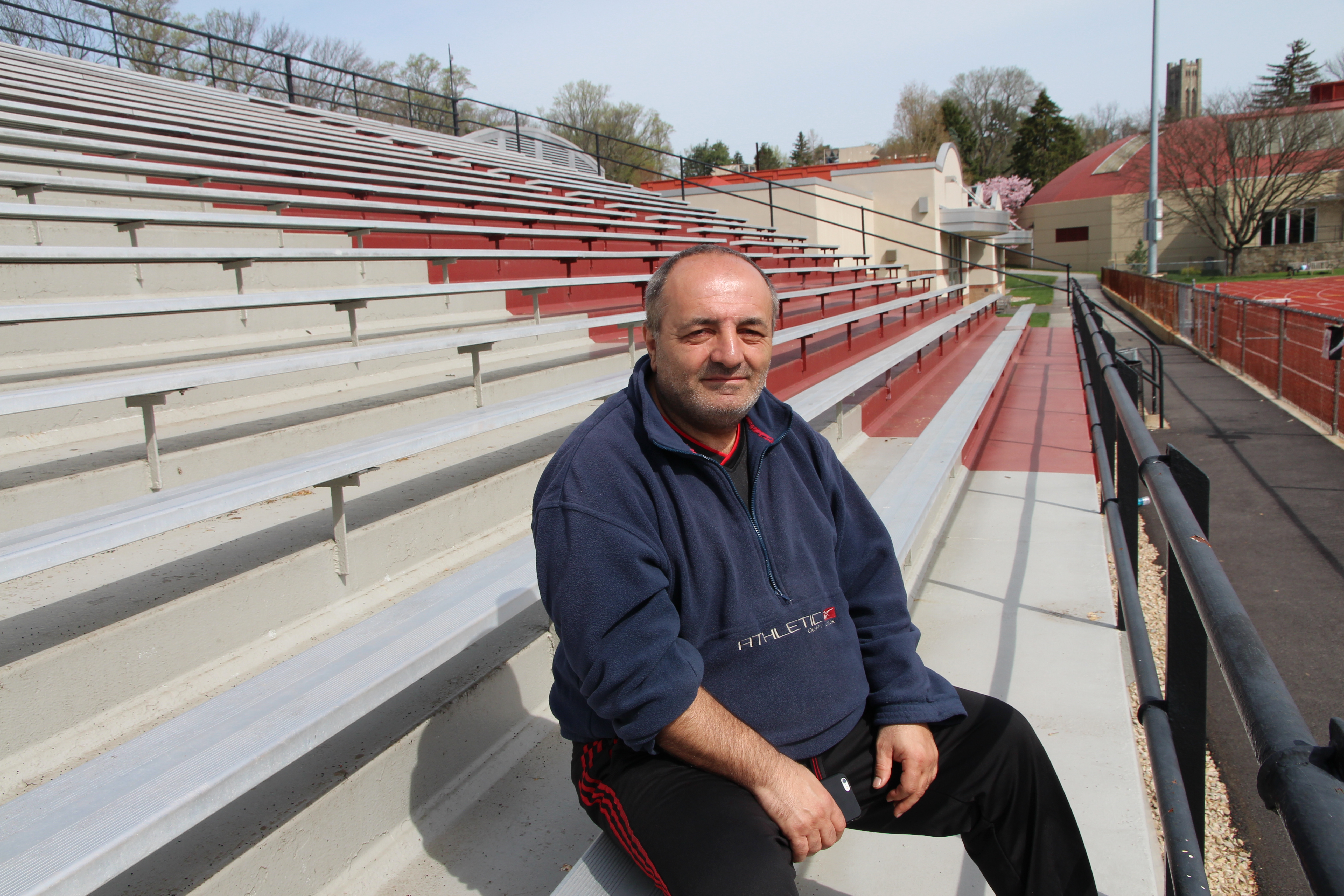
Portrait of Misha Azizov

“I played professional soccer in Russia for ten years . . . they pay you, but there is no contract. If you win they pay you, if you tie they pay you bonuses, if you lose, nothing.”

Misha Azizov works in construction and is a former professional soccer player.

33. IMG_0420Photo by Jennifer Baker

I came here in 1993 from Armenia. My sister invited us. She came in 1987. There were ten of us, two other sisters and their families, and my mother and me. We came as refugees. We passed the interview in Moscow and were accepted as refugees. Many of the small nationalities move from Armenia to the US. After some time they gave us a green card. After five years I became a citizen, in 1999. I never think I’ll go back.

Armenia was very bad economically, no electricity, no nothing. I worked in Russia doing construction. We paved roads, blacktop. I worked with my brother and we would go back to Armenia in the wintertime when we didn’t have much work in Russia. Many people move from Armenia to Russia and to Europe for jobs. The economy was so bad in 1991.

My brother-in-law had a big barbecue party when we arrived. I had been here once before as a tourist for three months to visit my sister, so I was not surprised at life in the US. When we came here I lived in Upper Darby—my sister has an apartment building there.

My older sister still lives in Armenia and I have gone back to visit two times. Most of my family moved to Russia—my cousins, all my relatives live in the southern part of Russia, and I have gone there to visit in the summer a few times. One sister lives in LA now.

I do miss the culture, the food, and the language. But there was a big difference between Russia and Armenia too, and I was used to going back and forth. I miss the mountains of Armenia, but not the people. The food we can get here too. There are many Armenians in LA—not as many here. When I go to California I bring back Armenian food. Smoked beef, lavash bread, shish kabob, kielbasa.

It was worth it, but in the beginning it was very difficult. You change your culture and your language. It was very difficult for me to learn English. I was twenty-seven years old. I went to school for six months to learn. I lived in Russia and all the time go back and forth, but there I speak Russian so language was no problem. We learn Russian in school; I grew up speaking Armenian and Russian. But learning a new language was really hard.

I played professional soccer in Russia for ten years from the 1970s to 1980s until I got injured and had to stop playing. They pay you, but there is no contract. If you win they pay you, if you tie they pay you bonuses, if you lose, nothing. Not professional, but like professional. Some factory, they have my name, I go there and they gave me my salary. I played soccer but got paid as if I worked in the factory—that was my job. The system is different here. My mother didn’t want me playing soccer, and would not come to watch. I started when I was six or seven. My father died early when I was nine years old. She never washed my jerseys; but she knew she couldn’t stop me. In Europe everyone plays soccer.

I married a woman from Russia whom I met here. My son was born here, he is American. My ex-wife and son live with my mother-in-law who speaks Russian. He speaks only a little Russian, but understands more. If he didn’t live with my mother-in-law he wouldn’t speak Russian at all. He does not speak Armenian. He is eighteen and goes to Boston University, studying marketing and business. My son plays soccer in high school, now in college.

I work construction, paving roads. I’d like to move to California, but for now I stay here to be near my son.

Portraits of People on the Move tells the stories of Philadelphia-area immigrants through their own words on the Supperdance.com blog and was first shown as an exhibition June 25–28, 2015, at the Gray Area of Crane Arts in Philadelphia. The exhibition was created as a companion work to Supper, People on the Move by Cardell Dance Theater, a dance inspired by themes of migration.

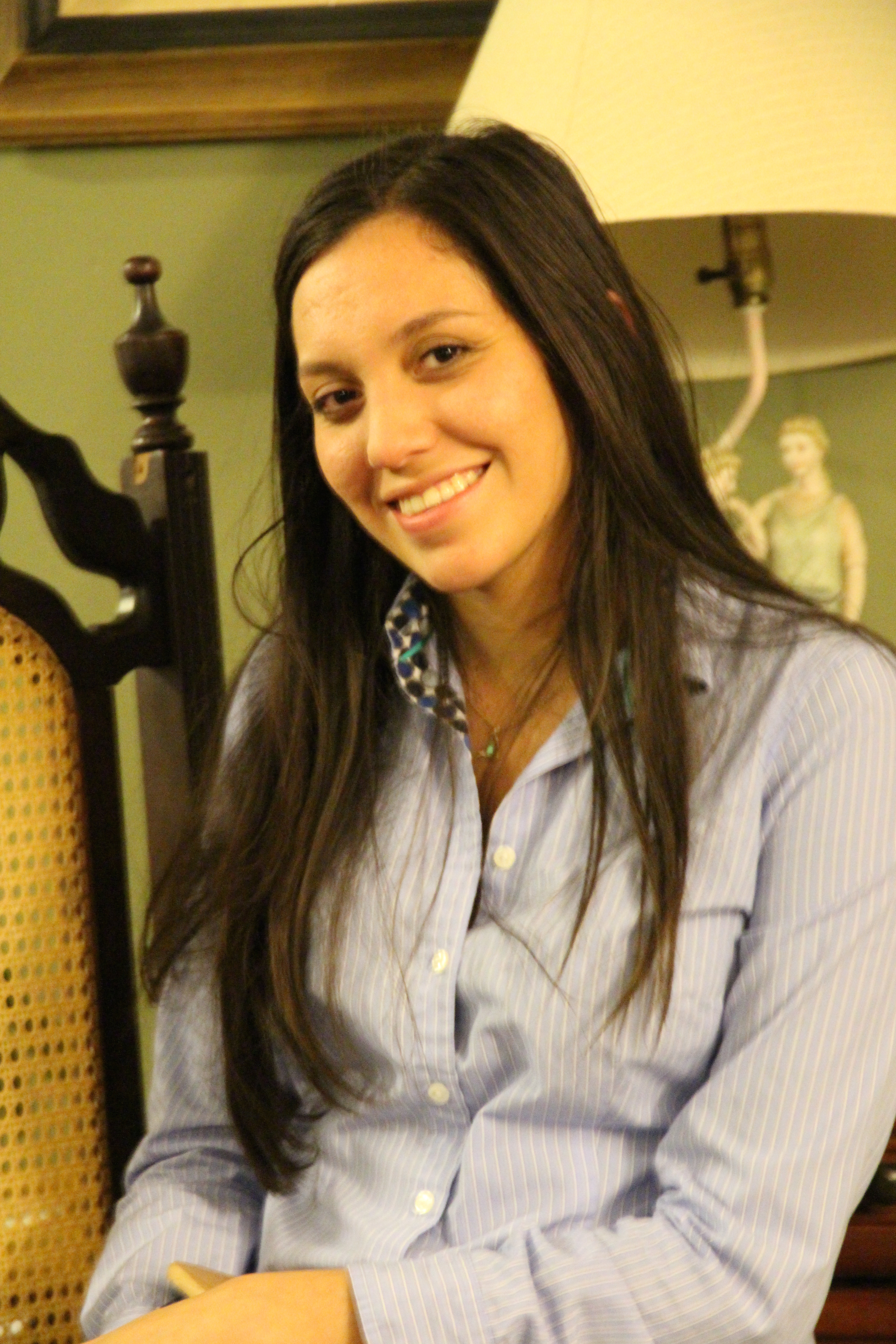
Portrait of Angie

“We lived in fear of deportation so I didn’t talk about it in my high school—I didn’t know who I could talk about it with.”

Angie works in customer service at a bank and has an internship in business development.

31. IMG_0413When I was little and my parents left, I don’t remember them leaving; I was five. I was a happy child, but sad too. Special events at school were the saddest days because my parents weren’t there. There was always another kid without parents. My uncles and grandparents were always there, they were a great support, but I still missed my parents. I remember waking up at night to talk to them on the phone.

I was scared to see my parents after so long when they came back. I was afraid we wouldn’t have a connection that we should have, worried what we would talk about. I was eight when they came back.

Leaving Ecuador to come to the US was very sad and exciting at the same time. I was leaving my Grandma who I was very close with because she was like my second mom. But I was so excited to come here and to be with my parents. I had a picture in my head of what America would be like because of the movies. The simplest thing was so exciting. I had so many ideas about what I pictured it would be.

The day we left was so hot. My mom made us wear overalls and sweaters in June. I didn’t know we’d stay for a long time. I thought it was short term. It was hard not being with my grandmother, I had been with her every day. We called her all the time and ran up a huge phone bill. I didn’t see her for twelve years. When she finally came to visit for three weeks, I was so scared about what we’d talk about, worried about what she’d think about me. But then she came and she was exactly the same. I wanted to be next to her the whole time, even to sleep next to her. When she left, I asked for her PJ shirt, it had her smell. I wore it every day.

When Dad left—he went back to Ecuador for a year—the cycle of leaving began again. Sometimes it was scary being alone when mom was at work. Maria and I had to grow up fast and take care of ourselves while our mom was at work.

My status really started impacting my life when I was a junior in high school. We didn’t grow up talking about it. We lived in fear of deportation so I didn’t talk about it in my high school—I didn’t know who I could talk about it with or not. It really affected me when everyone started applying to college. I got college mail and I threw it all out. I could only go to one school. Neumann University had given my sister a scholarship and they offered me the same. I was very discouraged because I had no options of where I could go and what I wanted to do. I was discouraged about working at a pizza job. I didn’t see a future or anything that was going to help us. Once there was hope I started caring about school and doing well, because all my work that I was putting into it could turn into something. When deferred action (DACA) passed, I got a work permit and the same day went out and looked for a job.

About a month later I found a job. I work for a bank as customer service associate/teller. I am motivated; I see how hard my parents work, and that keeps me going. I see how far they’ve gotten and seeing that has helped to build me up to the person I am today. I do double major, taking six classes/eighteen credits each semester. I took summer classes as well and always worked since my junior year of high school. I also teach Spanish to first and second graders in the mornings before school. And I have an internship in business development. I am hardworking because my parents motivated me to do well in school and work hard.

I was scared when Maria went to Ecuador that she wouldn’t be able to come back. I applied to go to Ecuador for humanitarian reasons, because my grandmother is sick. My travel application is pending. I was devastated, but it may still get approved. I have to submit more papers. A friend from Ecuador met my grandparents and I thought, “Why does he get to see them and I don’t?” It felt so unfair. Last year, Dani went to Ecuador. I missed her; it was her first time away by herself. At first she didn’t want to go and by the end she said, can I stay longer? If my application gets accepted, Dani can go with me.

If I had to do it again, I would. It is worth it. When I was little I didn’t understand why my parents left and why they came here. I am not resentful. I know it is hard to give up being with your own children for years—to give them that opportunity. They gave me something I would not have had, they opened so many doors for us. My parents sent cool stuff that other kids didn’t have, but I would have given that up to be with them. My little sister Dani was born here, so she is a citizen. She lucked out but she is still part of the cycle. We lack the status she has but I always try to tell her that when I was little I didn’t have my parents—they were not with me every day like you are able to have, so you have to respect them. I understand why they came and I am grateful for that.

When I leave in the morning, I go to my internship, I go to class, to work. I leave at 8:00 AM and come back at 8:00 at night. I am very dedicated, ambitious, and hardworking. I see my parents and how they do things and why. That motivates me to keep trying and never give up. We’ve had to learn to manage multiple things.

In the past we couldn’t do the things we can now. An internship needs a social security number. I want to take advantage of each opportunity that I didn’t have before. We are given the chance to do what we can now because of DACA. If DACA does not continue everything will get taken away from me. I am doing things that I never thought possible. I never thought I could come this far.

Photo by Jennifer Baker

Spanish Translation by Elizabeth Pascual


Angie

No recuerdo cuando se fueron mis padres, era pequeña, tenía cinco años. Yo era una niña feliz, pero triste también. Los eventos especiales en la escuela fueron los días más tristes porque mis padres no estaban allí. Siempre había otro niño sin padres también. Mis tíos y abuelos siempre estaban allí, eran un gran apoyo, pero todavía extrañaba a mis padres. Recuerdo despertarme por la noche para hablar con ellos por teléfono.

Cuando volvieron mis padres tenía miedo de verlos después de tanto tiempo. Temía que no tuviéramos una conexión, me preocupaba de lo que hablaríamos. Tenía ocho años cuando volvieron.

Dejar Ecuador para venir a los Estados Unidos fue muy triste y emocionante al mismo tiempo. Estaba dejando a mi abuela con la que tenía una gran conexión porque ella era como mi segunda madre. Estaba tan emocionada de venir aquí y estar con mis padres. Yo tenía una imagen en mente de como los Estados Unidos serían por lo que he visto en las películas. Lo más simple se me hizo tan emocionante. Tenía tantas ideas sobre lo que imaginé que sería.

Fue un día muy caluroso cuando nos fuimos. Mi mamá nos hizo usar overoles y suéteres en junio. No sabía que nos quedaríamos mucho tiempo. Pensé que era a corto plazo. Fue difícil no estar con mi abuela, yo había estado con ella todos los días. La llamábamos todo el tiempo y nos encontramos con una enorme factura de teléfono. Cuando finalmente vino a visitarme por 3 semanas, me asustaba pensar de lo que hablaríamos, me preocupaba por lo que ella pensaría de mí. No la había visto desde hace 12 años pero entonces ella vino y era exactamente la misma como la recordé. Quería estar junto a ella todo el tiempo, incluso para dormir junto a ella. Cuando se fue, le pedí que me regalara su camisa de pijama, tenía su olor. La usé todos los días.

Cuando papá se fue – regresó a Ecuador por un año – el ciclo de irse comenzó de nuevo. A veces me daba miedo estar sola cuando mamá estaba en el trabajo. María y yo tuvimos que crecer rápido y cuidar de nosotras mismas mientras que nuestra madre estaba trabajando.

Mi estatus realmente empezó a impactar mi vida cuando yo era estudiante de secundaria. No crecimos hablando de eso. Vivíamos con miedo a la deportación, así que no hablé de ello en mi escuela secundaria – no sabía con quién podía hablar. Realmente me afectó cuando todos comenzaron a aplicar a la Universidad. Recibí correo de las Universidades y lo tiré todo a la basura. Sólo podía ir a una escuela. La Universidad de Neumann le dio una beca a mi hermana y me ofrecieron lo mismo. Yo estaba muy desanimada porque no tenía opciones de donde podía ir a estudiar y no sabía lo que quería hacer. Mi trabajo en una pizzería me desanimaba. No vi un futuro ni nada que nos ayudara. Cuando comencé a sentir que había esperanza, comencé a preocuparme por la escuela y de hacer bien porque todo mi trabajo y esfuerzo podría convertirse en algo. Cuando la Acción Diferida (DACA) se aprobó, me dieron un permiso de trabajo y ese mismo día salí a buscar un trabajo.

Un mes después encontré un trabajo. Ahora trabajo para un banco como asociada de servicio al cliente/cajera. Estoy motivada; veo lo duro que trabajan mis padres y eso me mantiene en marcha. Veo lo lejos que han llegado y verlos me ha ayudado a convertirme en la persona que soy hoy. Hago doble especialización, tomo 6 clases/18 créditos cada semestre. También tomé clases de verano y siempre trabajé desde mi primer año de secundaria. Por las mañanas, antes de irme a la escuela, les enseño español a los estudiantes de primer y segundo grado y también tengo una pasantía en desarrollo de negocios. Soy trabajadora porque mis padres me motivaron a sacar buenas notas en la escuela y trabajar duro.

Yo estaba asustada cuando María fue a Ecuador de que ella no podría volver. Solicité ir a Ecuador por razones humanitarias porque mi abuela está enferma. Mi solicitud de viaje está pendiente. Estaba devastada pero aún mi solicitud puede ser aprobada. Tengo que enviar más documentos. Un amigo de Ecuador conoció a mis abuelos y pensé, “¿por qué él los puede ver y yo no?” Se sintió tan injusto. El año pasado, Dani fue a Ecuador. La extrañé, era su primera vez viajando sola. Al principio no quería ir y al final dijo, ¿puedo quedarme más tiempo? Si mi solicitud es aceptada, Dani puede ir conmigo.

Si tuviera que hacerlo de nuevo, lo haría. Valió la pena. Cuando era pequeña no entendía por qué mis padres se habían ido y por qué vinieron aquí. No estoy resentida. Sé que es difícil tener que dejar a tus hijos por muchos años – para darles esa oportunidad. Me dieron algo que no hubiera tenido, abrieron tantas puertas para nosotras. Mis padres nos enviaban cosas chéveres que otros niños no tenían, pero yo hubiera dado cualquier cosa para estar con ellos. Mi hermanita Dani nació aquí, así que es ciudadana. Ella tuvo suerte pero todavía es parte del ciclo. Nos falta el estatus que ella tiene pero siempre trato de decirle que cuando yo era pequeña no tenía a mis padres – no estaban conmigo todos los días como están contigo, así que tienes que respetarlos. Entiendo por qué vinieron y estoy agradecida por eso.

Cuando me levanto por la mañana, voy a mi pasantía, voy a clase, y al trabajo. Me voy a las 8 de la mañana y vuelvo a las 8 de la noche. Soy muy dedicada, ambiciosa y trabajadora. Veo a mis padres y cómo hacen las cosas y por qué. Eso me motiva a seguir esforzándome y nunca rendirme. Veo lo duro que trabajan mis padres. Hemos tenido que aprender a manejar varias cosas.

En el pasado no podíamos hacer las cosas que ahora podemos hacer. Una pasantía requiere un número de seguro social. Quiero aprovechar cada oportunidad que no tenía antes. Se nos da la oportunidad de hacer lo que aspiramos ahora debido a DACA. Si DACA no continúa, me quitarían todo. Estoy haciendo cosas que nunca creí posible. Nunca pensé que podría llegar tan lejos.

Portraits of People on the Move tells the stories of Philadelphia-area immigrants through their own words on the Supperdance.com blog and was first shown as an exhibition in June 2015, at the Gray Area of Crane Arts in Philadelphia. The exhibition was created as a companion work to Supper, People on the Move by Cardell Dance Theater, a dance inspired by themes of migration.


Portrait of Maria Jose

“In Ecuador I was a friend with everyone the first day, I was really loud. Here I spent years in silence at school.”

Maria Jose works for the Pennsylvania Immigration & Citizenship Coalition.

I rememb30. IMG_0404er saying goodbye to my dad in Ecuador, my aunt driving like crazy and hugging dad goodbye. He said, “Be good, listen to your mom, do your homework.” He kisses me, gives me a big bear hug, and says, “I love you with my soul, my life, and my heart.” I was five. My mom left six months later. I remember crying and getting in the car and going home without Mom. Before that I went to my grandma’s on weekends but now I went to live with her. My grandmother switched roles to being a parent. I developed a deep connection to her. I remember phone calls from my parents in the middle of the night, 4:00 AM, before they would leave for work they would call. They sent us presents; they tried to send stuff home, stickers, clothes, letters. I copied Mom’s style and wrote letters back. Angie says, “Why did they leave us here?” It was hard being a little kid away from your parents.

I remember being in school and making a lie to myself that my parents would walk through the door. At school kids would run to their parents and there would be a small group of kids standing to the side. There were many kids in the same situation. We had a good childhood, even without our parents, but it takes forever to heal from family separation. After my dad left, when he returned the first time, I hid. I was concerned I wouldn’t be the daughter he expected.

When my parents came back, I thought it was a lie. I was also afraid I wouldn’t measure up. They came for my first communion—everyone was there. The next thing I know, I was telling my friends I was going to leave. My friends gave us a goodbye parties, and the next thing we are leaving. The first month I came here, I talked to my grandmother every day. My parents had an $800 phone bill.

I have been most fortunate because of the executive order, DACA (Deferred Action for Childhood Arrivals), I was able to apply for a permit called Advance Parole, which allows travel for education, work, or if you have a family member that is ill or has passed away. The organization I have been part of for many years has close relationships with organizations in Ecuador. I went back to train staff on how to do self-care and how to deal with children with trauma, something I am very passionate about. It was for 2½ weeks. It was an opportunity to go to Ecuador and see my family. I got to see my country in a new way because I was a kid when I left. It was very scary. When we were landing they handed us a paper, saying this is for immigration. What am I going to do, what am I going to say? Are they going to understand why I am here? I was hoping immigration in Ecuador wouldn’t detain me—I haven’t been in the US legally and now I am coming back home. There is a risk even with this permit that you might not be able to come back to the US.

Waking up in my country—it was like a dream that I had for so long. I just want to be home and to hug my grandma. But to be there without my parents and sisters was heartbreaking. I felt like a stranger in my own country. The people would say, you are from another country, you dress differently and you have an accent. Loja is a bigger city than when I left. I walked around and didn’t know anyone. And there were political changes that I certainly didn’t understand as a child. But I do now, I am involved in politics. There was an election while I was there. I was in the capitol, during election day. I walked by a park where they were setting up for the President’s party celebration. I heard of people trying to buy votes. He lost in all the major cities and I was really happy about that. I was curious to understand life there and talk to many people. I talked to many people who wanted to go to the U.S. The stories repeat.

Growing up in the US, being a young child, you feel like you don’t belong, and back home I don’t really belong either. Neither here nor there. Listening to my dad and mother talk, I realized your parents will do anything for you. The sacrifices are really hard but it is worth it. It bothers me how people have treated my parents.

When we came here we didn’t know English. We’d watch TV shows, some shows we had seen in Spanish and now we were seeing in English. Angie and I decided to talk in English so we would learn faster. I don’t know when we started crossing over with the languages, but we’d make up so many words. People at school thought I couldn’t speak. I was nervous that people were going to make fun of me or that I’d sound stupid. It was a different me here. In Ecuador I was a friend with everyone the first day, I was really loud. Here I spent years in silence at school, it was much harder here.

I work for the PICC (Pennsylvania Immigration & Citizenship Coalition). We do immigration advocacy and work for immigration reform, and we work with partners around the state. We also work to educate people about these issues.

Once Dreamers started to come out and be vocal, I thought I was not alone. I remember when DACA happened. My mom called me, and we watched the announcement when Obama said we could get work permits and be able to travel. I called my grandma and said we’ll be able to see you. The president’s announcement was on June 15, 2012. Because of DACA, Angie and I have been able to change our lives. I worked as a waitress since I was fifteen and after I had worked so hard and graduated from college, I really wondered what I’d be able to do. Growing up undocumented, without papers, I didn’t know if I would have to be a waitress for the rest of my life. Now I have a permit and am able to work. Policy changes lives.

Every day you go out, you hope your parents aren’t being caught by immigration. People come here for different reasons—economic, running to save their lives, to reunite with family, to start over. What people don’t understand are the mistreatment and the sacrifice of being away from the people you love. People pass away and you don’t get to say a final goodbye. It’s been a hard experience but it’s made me a strong person. We work hard. But the system breaks families apart and doesn’t allow you to go to college, to have health insurance, to do an internship. My parents are great role models. They make me realize I can accomplish whatever I want as long as I work hard. I can go as far as I want, regardless of my status here. I want to do everything for them and to protect our family.

Photo by Jennifer Baker

Spanish translation by Elizabeth Pascual


Maria Jose

Recuerdo haberle dicho adiós a mi papá en Ecuador, mi tía conduciendo como loca y abrazando a papá. “Se buena, escucha a tu mamá, haz tu tarea.” Él me besa, me da un gran abrazo de oso, y dice “te amo con toda mi alma, mi vida y mi corazón.” Yo tenía cinco años. Mi mamá se fue seis meses después. Recuerdo haber llorado al subirme al auto y volver a casa sin mamá. Antes iba a la casa de mi abuela los fines de semana, pero ahora me fui a vivir con ella. Mi abuela cambió de roles a ser padre. Desarrollé una profunda conexión con ella. Recuerdo las llamadas telefónicas de mis padres muy de noche, 4 AM, llamaban antes de irse a trabajar. Nos enviaban regalos; intentaban enviar cosas a casa como pegatinas, ropa, cartas. Copié el ejemplo de mamá y le escribí cartas de vuelta. Angie decía, “¿por qué nos han dejado aquí?” Fue difícil ser un niñito lejos de tus padres.

Recuerdo estar en la escuela y mentirme a mí misma creyendo que mis padres regresarían por la puerta. En la escuela muchos niños corrían tras sus padres y a un lado de ellos había un pequeño grupo de niños de pie. Había muchos niños en la misma situación. Tuvimos una buena niñez, incluso sin nuestros padres, pero se tarda una eternidad en sanar de la separación familiar. Después de que mi padre se fue y había regresado la primera vez, me escondí. Me preocupaba que no sería la hija que esperaba.

Cuando volvieron mis padres, pensé que era una mentira. También temía no estar a la altura. Vinieron para mi primera comunión – todos estaban allí. Lo siguiente que sé, es que les decía a mis amigos que me iba a ir. Mis amigos nos hicieron una fiesta de despedida, y de repente nos íbamos. Durante el primer mes en el que llegue, hablaba con mi abuela todos los días. Mis padres tenían una factura de teléfono de $800.

He sido muy afortunada debido a la orden ejecutiva, Acción Diferida para los Llegados en la Infancia (DACA, por su sigla en inglés). Pude solicitar un permiso llamado Advance Parole, que permite viajar por razones educativas, el trabajo, o si un miembro de la familia está enfermo o ha fallecido. La organización de la que he sido involucrada desde hace muchos años tiene estrechas relaciones con organizaciones en Ecuador. Regrese a Ecuador a entrenar al personal sobre cómo cuidar de sí mismo y cómo lidiar con niños traumados, algo que me apasiona mucho. Fui por 2 semanas y media. Fue una oportunidad para ir y ver a mi familia. Llegué a ver a mi país de una manera nueva porque era una niña cuando me fui. Fue muy aterrador. Cuando estábamos aterrizando nos dieron un papel, diciéndonos que esto era para la inmigración. ¿Qué voy a hacer? ¿qué voy a decir? ¿Van a entender por qué estoy aquí? Esperaba que la inmigración en Ecuador no me detuviera – no había estado en los Estados Unidos legalmente y ahora estoy volviendo a casa. Existe un riesgo incluso con este permiso de que uno no pueda volver a los Estados Unidos.

Despertar en mi país fue como un sueño que tuve durante tanto tiempo. Sólo quería estar en casa y abrazar a mi abuela. Pero estar allí sin mis padres y hermanas fue desgarrador. Me sentí como un extraño en mi propio país. La gente decía, eres de otro país, te vistes diferente y tienes un acento. Loja es una ciudad más grande de lo que recordaba. Caminé por las callesy no conocía a nadie. Hubo cambios políticos que ciertamente no entendía de niña. Pero ahora sí, estoy involucrada en la política. Hubo una elección mientras estuve allí. Estuve en el Capitolio durante el día de las elecciones. Caminé por un parque donde se estaban preparando para la celebración del partido del presidente. He oído de gente tratando de comprar votos. Él perdió en todas las ciudades principales y yo estaba muy contenta con eso. Tenía curiosidad por entender la vida allí y hablé con mucha gente. Hablé con muchas personas que querían irse a los EE.UU. Las historias se repetían.

Al crecer en los Estados Unidos, siendo una niña pequeña, sentí que no pertenecía, y de vuelta a casa tampoco pertenecía. Ni de aquí ni de allá. Escuchando a mi padre y a mi madre hablar, me di cuenta de que los padres harían cualquier cosa por los hijos. Los sacrificios son muy duros, pero valen la pena. Me molesta cómo la gente ha tratado a mis padres.

Cuando vinimos aquí no sabíamos hablar inglés. Nos gustaba ver programas de televisión, algunos espectáculos que habíamos visto en español ahora estábamos viendo en inglés. Angie y yo decidimos hablar en inglés para aprender más rápido. No sé cuándo empezamos a cruzar con los idiomas, pero nos gustaba inventar muchas palabras. La gente en la escuela pensaba que no podía hablar. Estaba nerviosa de que la gente se burlara de mí o que sonara estúpida. Yo era otra persona aquí. En Ecuador me hice amiga de todos en el primer día, yo era muy ruidosa. Aquí pasé años en silencio en la escuela, era mucho más difícil aquí.

Trabajo para PICC (Coalición de inmigración y ciudadanía de Pensilvania). Hacemos abogacía de inmigrantes y trabajamos para la reforma migratoria. Trabajamos con socios alrededor del estado. También trabajamos para educar a la gente sobre estos temas.

Una vez que los soñadores empezaron a salir y ser vocales, sentí que no estaba sola. Recuerdo cuando sucedió DACA. Mi mamá me llamó y vimos el anuncio cuando el presidente Obama dijo que podíamos conseguir permisos de trabajo y poder viajar. Llamé a mi abuela para decirle que podríamos ir a verla. El anuncio del presidente fue el 15 de junio de 2012. Gracias a DACA, Angie y yo hemos podido cambiar nuestras vidas. Trabajé como mesera desde que tenía quince años y después de haber trabajado tan duro y graduarme de la Universidad, me pregunté realmente qué sería capaz de hacer. Creciendo indocumentada y sin papeles, no sabía si tendría que ser mesera por el resto de mi vida. Ahora tengo un permiso y puedo trabajar. La política cambia vidas.

Cada día que sales, esperas que tus padres no sean atrapados por inmigración. La gente viene aquí por diferentes razones – económicas, huyendo para salvar sus vidas, reunirse con su familia, para volver a empezar. Lo que la gente no entiende son los malos tratos y el sacrificio de estar lejos de las personas que amas. La gente fallece y no puedes decir un adiós final. Ha sido una experiencia difícil pero me ha hecho una persona fuerte. Trabajamos duro pero el sistema separa a las familias y no nos permite ir a la universidad, tener seguro médico, o hacer una pasantía. Mis padres son grandes modelos de conducta. Me hacen darme cuenta de que yo puedo lograr lo que quiera, siempre y cuando trabaje duro. Puedo ir tan lejos como quiera, sin importar mi estatus aquí. Quiero hacer todo por ellos y proteger a nuestra familia.

Portraits of People on the Move tells the stories of Philadelphia-area immigrants through their own words on the Supperdance.com blog and was first shown as an exhibition June 25–28, 2015, at the Gray Area of Crane Arts in Philadelphia. The exhibition was created as a companion work to Supper, People on the Move by Cardell Dance Theater, a dance inspired by themes of migration.